Morocco Tourist e-Visa
You’ve got the Marrakech riad bookmarked, a Pinterest board full of Chefchaouen’s blue alleyways, and maybe even a Sahara camel trek penciled in. One thing tends to get pushed to the bottom of the to-do list, though: figuring out whether you actually need a visa to get into the country in the first place.
Here’s the short version Morocco made this a lot easier a few years back by launching the Tourist e-Visa, a fully online alternative to the old embassy-appointment routine. Below is what it actually involves: who needs one, how to apply, what it costs, and how long you can stay once you’re in.
What Is a Morocco Tourist e-Visa?
Morocco rolled out its e-Visa system in 2022, and the idea behind it was simple: let eligible travelers apply from their laptop instead of sitting in a consulate waiting room. You fill out a form on the government’s official portal, Accès Maroc, upload a handful of documents, pay online, and the approved visa lands in your inbox.
Here’s the part people often miss, though plenty of visitors don’t need any of this. Morocco is fairly open about who it lets in without a visa at all; travelers from the US, UK, Canada, most of the EU, and Australia can generally show up and stay for 90 days with nothing more than a passport stamp. The e-Visa is really for the group of travelers who fall outside that visa-free list but happen to qualify for the streamlined digital process instead of the full embassy route.
Who Can Apply for a Morocco Tourist e-Visa?
Eligibility comes down to a mix of nationality, passport type, and sometimes what other visas or residency documents you’re already holding. Broadly, you’ll fall into one of a few buckets: citizens of certain countries can apply outright with no extra documentation; travelers from other countries may still qualify if they hold a valid visa or residency permit from somewhere like the Schengen area, US, UK, or Canada; and ordinary passport holders are generally who this whole system is built for diplomatic, service, or special passports usually still need to go through an embassy.
None of this is something you want to guess at. Rules shift by nationality and change more often than people expect, so it’s worth a quick check on the Accès Maroc portal before you assume either way.
Morocco Tourist e-Visa vs. Traditional Visa
If you don’t qualify for the e-Visa or you’re carrying a passport type it doesn’t cover — you’re looking at the traditional route: an in-person application at a Moroccan embassy or consulate, more paperwork, and usually a longer wait. It’s not a disaster, just slower and more of a hassle than booking an appointment and showing up.
The e-Visa skips all of that. No appointment, no in-person visit, and generally a quicker turnaround. If you’re eligible, there’s really no reason to choose the traditional path over it.
Morocco Tourist e-Visa Requirements
Passport Requirements for a Morocco Tourist e-Visa
Plan for at least six months of passport validity beyond your entry date — that’s the standard most airlines and border agents go by, even though a couple of sources cite shorter minimums. It costs nothing to have more buffer than you need, so err on the safe side rather than cutting it close.
Documents Needed for a Morocco Tourist e-Visa
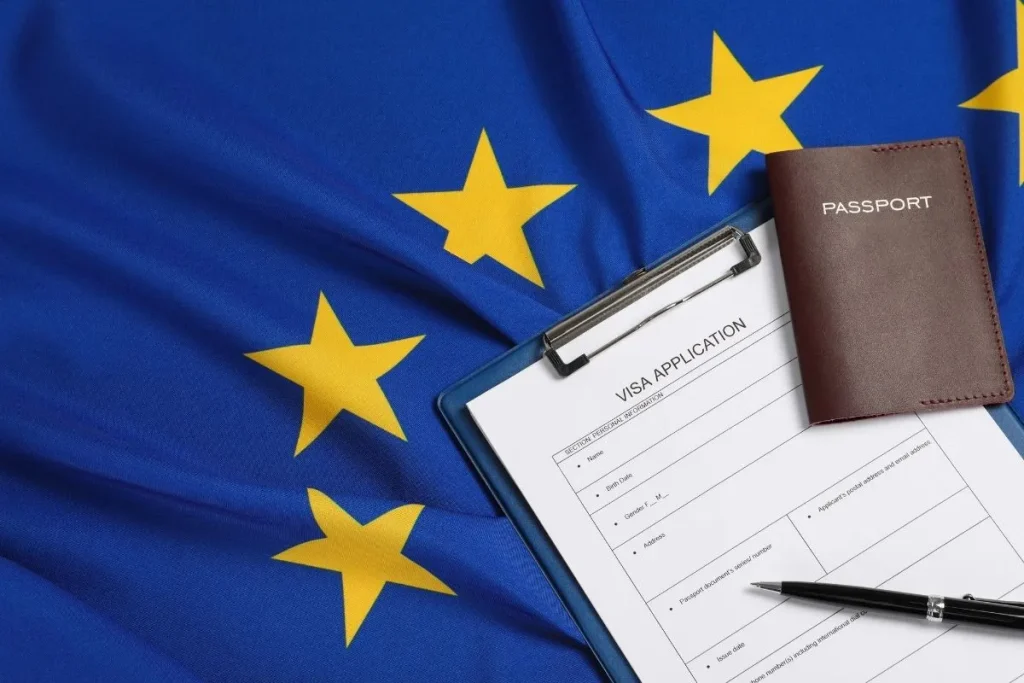
The exact list can shift depending on your nationality, but most applicants end up gathering the same handful of things: a scan of your passport’s photo page, a recent passport-style photo, proof of where you’re staying (a hotel booking works fine), a return or onward ticket, and something showing you can cover your trip financially. None of it is unusual as far as visa applications go.
Entry Requirements When Arriving in Morocco
At the border, have your approved e-Visa ready printed or on your phone, either is accepted along with your passport and the same supporting documents you submitted online. Border agents don’t always ask to see everything, but it’s better to have it on hand than to be scrambling through your email at passport control.
How to Apply for a Morocco Tourist e-Visa
The process is straightforward enough that you don’t need a visa agency to walk you through it. Start by checking your eligibility on the official Accès Maroc site this tells you whether you’re actually in e-Visa territory or need to go the embassy route instead. From there, you fill out the online application with your personal, passport, and trip details, upload your documents, and pay the fee by card. Once it’s approved, the e-Visa lands in your email, and you’re free to travel with either a printed copy or the digital version on your phone.
Morocco Tourist e-Visa Cost and Processing Time
Here’s where it gets a little murky if you’re just Googling around: quoted prices for the e-Visa swing wildly, anywhere from around $30 to well over $200 depending on the site. That gap mostly comes down to third-party visa-assistance companies tacking on their own service fees over the actual government cost sometimes without making that very clear. The safest move is to apply directly through Accès Maroc and treat any number you see elsewhere as a rough estimate at best, not something to budget around precisely.
Processing itself usually takes a few business days for standard applications, with an express option if your travel date is coming up fast and you need a quicker answer.
When Should You Apply for a Morocco Tourist e-Visa?
Give yourself more runway than you think you need two to three weeks before departure is a reasonable target. That leaves room for a processing delay, a document that needs resubmitting, or just the usual backlog that shows up around busy travel periods like major holidays. Applying the week before your flight isn’t impossible, but it’s not a position you want to be in either.
How to Track Your Morocco Tourist e-Visa Application
Once you’ve submitted, the Accès Maroc portal lets you check your status using your application reference number, so there’s no need to guess or email support just to see where things stand.
If your application is taking longer than expected, double-check that everything you submitted was clear and complete before assuming something’s gone wrong a blurry document scan is a common culprit. If it’s genuinely stalled, reach out through the official portal directly, and hold off on booking anything non-refundable until your e-Visa actually comes through.
Morocco Tourist e-Visa Validity and Stay Duration
Two different clocks matter here, and it’s easy to mix them up. First, there’s the window you have to actually enter Morocco after your e-Visa is approved commonly around six months, though the exact date is printed right on your approval, so that’s your real source of truth, not a blog post. Second, there’s how long you can stay once you’ve landed, which for most tourist e-Visas caps out at 30 days on a single entry. Again, your specific document will spell out your permitted stay, so it’s worth actually reading it rather than assuming.
Best Places to Visit After Getting Your Morocco Tourist e-Visa
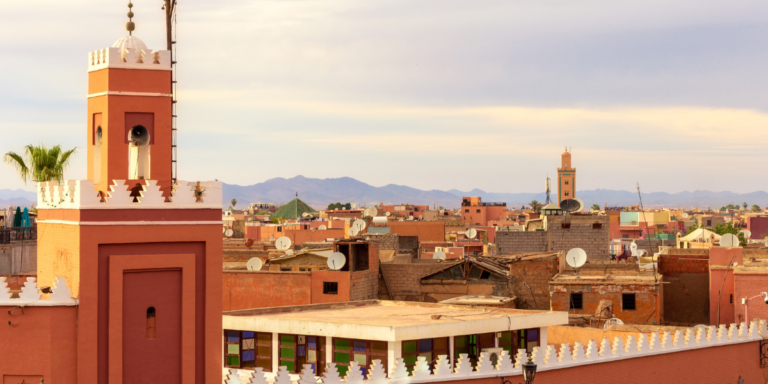
Once the paperwork’s sorted, the fun part starts. Marrakech is the obvious first stop for most people — Jemaa el-Fnaa fills up with performers and food stalls every evening, and the medina is the kind of place you can happily get lost in for hours. Head north and you’ll hit Chefchaouen, the “Blue City,” where entire streets are washed in shades of blue and the pace slows down considerably compared to Marrakech’s energy.
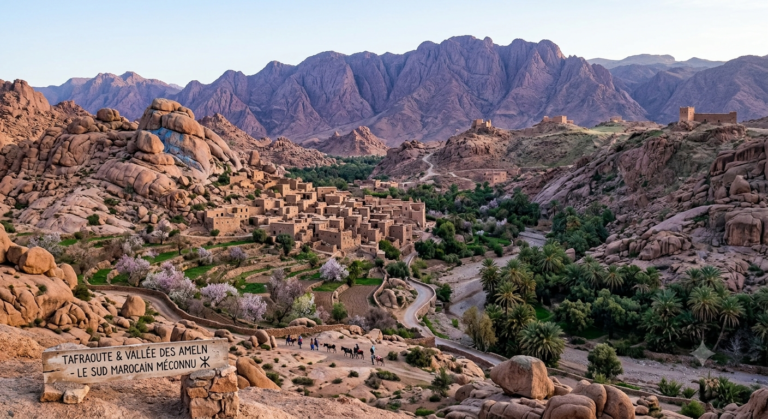
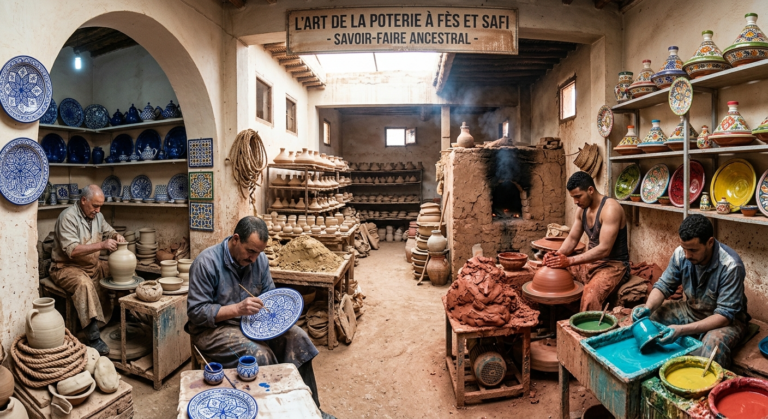
Fes is worth the detour if you’re interested in craftsmanship it has one of the oldest medinas in the world, and you can watch leather being tanned and ceramics being fired the same way it’s been done for centuries. And no Morocco trip really feels finished without a night in the Sahara, usually near Merzouga or Zagora, where you’ll ride out to camp on a camel or in a 4×4 and wake up to dunes stretching in every direction.
Morocco Travel Tips for First-Time Visitors
Timing: Spring and fall (roughly March–May and September–November) hit the sweet spot for weather — warm enough for the coast, not brutal in the interior. Summer can get genuinely punishing inland, so plan accordingly if that’s your only window.
Money and getting around: You’ll want dirhams for day-to-day spending. Trains cover the major cities well, while buses and private transfers pick up the slack for smaller towns and the desert routes.
What to pack and how to act: Modest clothing goes a long way, especially outside the big tourist zones, and desert nights get cold enough to catch people off guard bring layers. Ask before photographing people, and expect a bit of good-natured haggling if you’re shopping in the souks; it’s part of the experience, not something to avoid.
Frequently Asked Questions About the Morocco Tourist e-Visa
Do all travelers need a Morocco e-Visa? No. Many nationalities, including the US, UK, Canada, and EU countries, can enter Morocco visa-free for stays up to 90 days.
How long does the e-Visa take to process? Standard processing is generally a few business days, with express options available for faster turnaround.
Can I extend my stay once in Morocco? Extensions are handled locally through Moroccan immigration authorities and aren’t guaranteed, so it’s best to plan your trip within your approved stay duration.
Is the e-Visa the same as a visa-on-arrival? No the e-Visa must be approved before you travel. Morocco does not offer visa-on-arrival for travelers who require a visa.
Where should I apply for a Morocco e-Visa? Only through the official Accès Maroc portal. Third-party sites may charge extra fees for the same service.