Morocco Travel Guide for First-Time Visitors
Morocco is one of the most rewarding, and most overwhelming, destinations for a first trip to North Africa. Snow-capped mountains, Saharan dunes, blue-washed medina alleyways, and imperial cities packed with centuries of history all sit within a few hours of each other. If you are putting together your first Morocco travel guide for first-time visitors, the sheer number of options can make planning feel daunting.
This guide breaks down everything you need to know before you go: where to visit, when to go, how to get around, what it costs, and how to stay safe and comfortable as a first-time traveler from the US, UK, or Europe. By the end, you will have a clear, practical plan for your first trip to Morocco.
Why Visit Morocco?
Morocco sits at the crossroads of Africa, Europe, and the Arab world, and that blend shows up everywhere, in the architecture, the food, and the languages you will hear on the street (Arabic, Amazigh, French, and increasingly English).
For first-time visitors, Morocco offers a rare combination: it is affordable, it is only a few hours from major European hubs, and it delivers dramatically different landscapes within a single trip. The Atlantic coast, the High Atlas Mountains, and the Sahara Desert are all realistic additions to one itinerary.
It is also an easy country to fall for slowly: mint tea poured from shoulder height, the call to prayer echoing over a medina rooftop, a plate of slow-cooked tagine shared at a family-run restaurant. These small, everyday moments are often what visitors remember most.

Best Places to Visit in Morocco
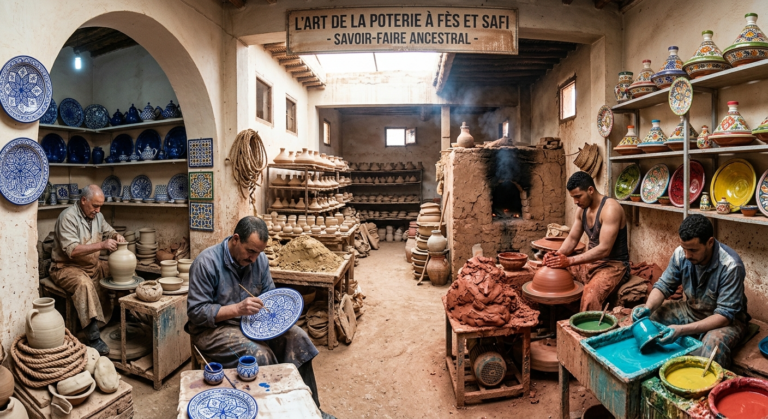
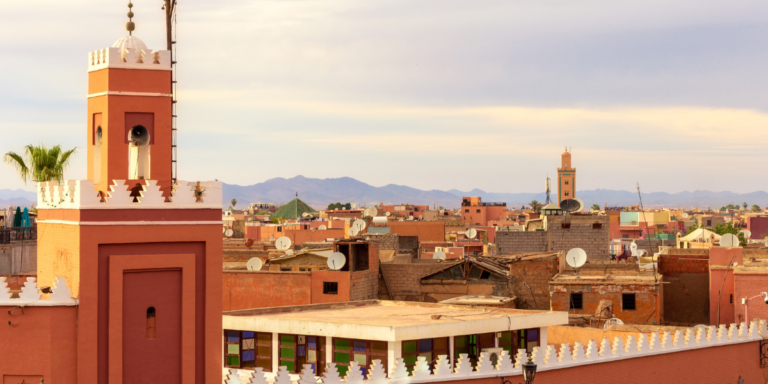
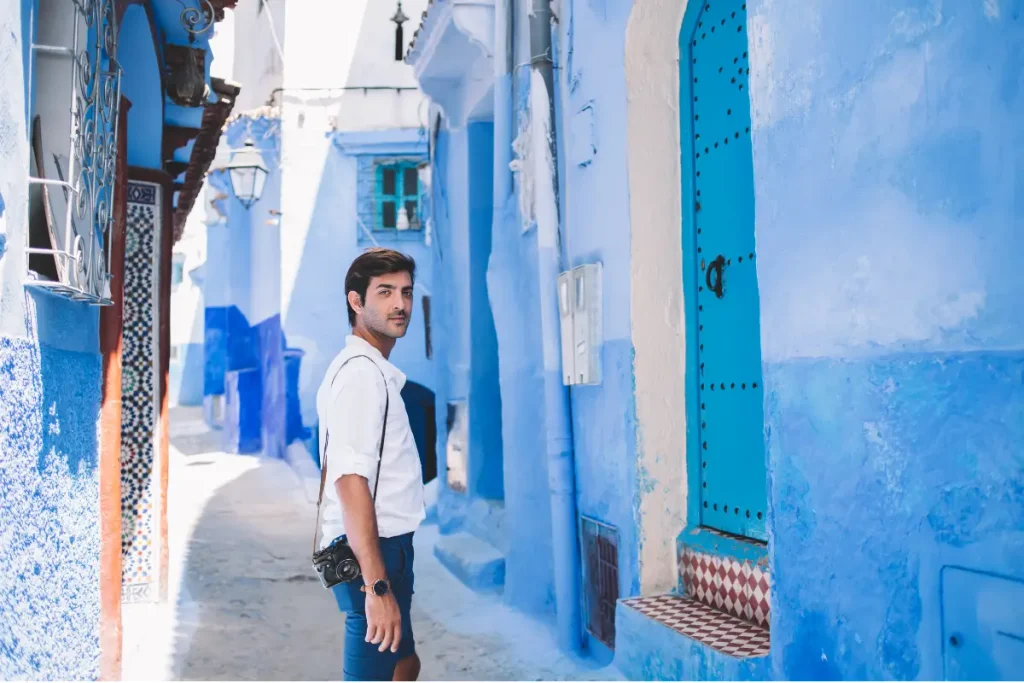
Marrakech is the classic starting point for most itineraries, with the labyrinthine Medina, the Jemaa el-Fnaa square, and the Majorelle Garden. Fez, Morocco’s oldest imperial city, has the largest car-free urban area in the world and is the best place to see traditional tanneries and artisan workshops in action. Chefchaouen, the famous blue city in the Rif Mountains, is smaller and more relaxed, ideal for a slower two-day stop.
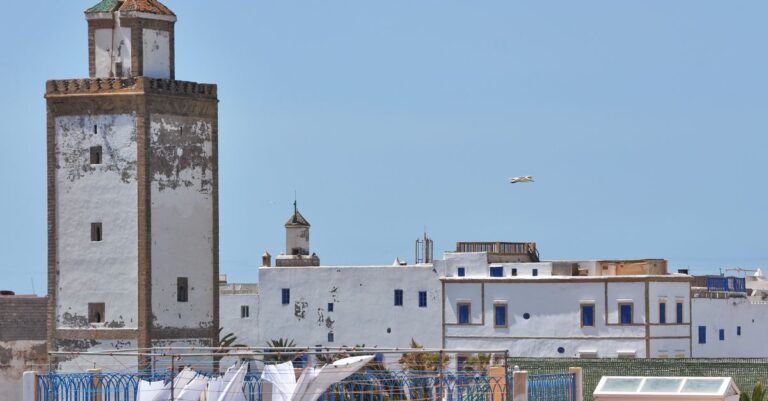
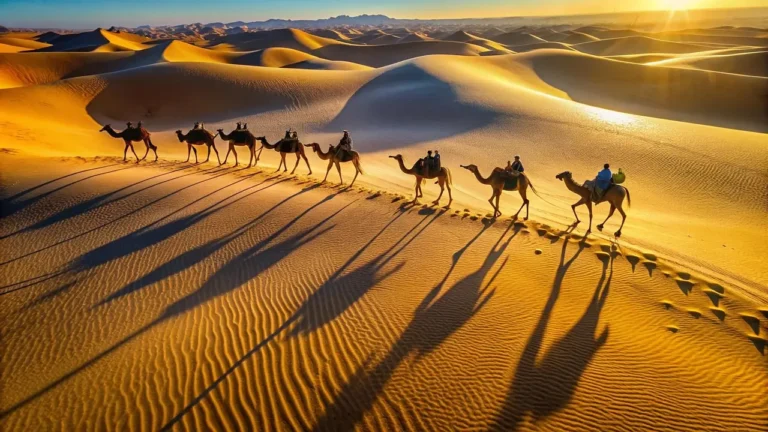
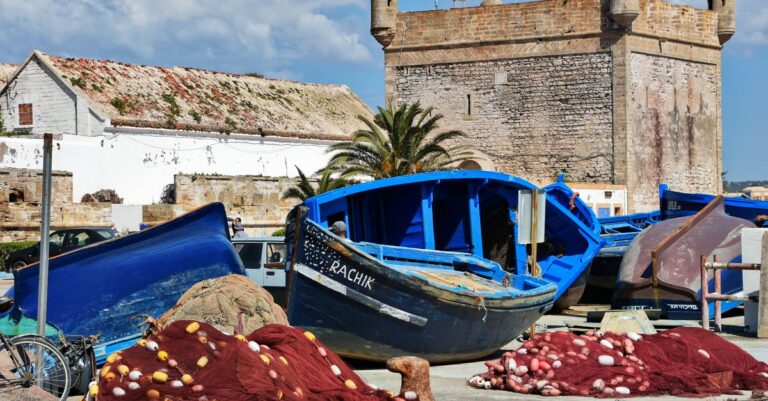
On the coast, Essaouira offers whitewashed ramparts, fresh seafood, and a laid-back, windswept atmosphere that contrasts nicely with the intensity of Marrakech. Further south, the Sahara Desert around Merzouga or Zagora is where most first-timers spend a night in a desert camp, riding camels out to the dunes for sunset.
Do not overlook the smaller imperial capital of Rabat, which is calmer, cleaner, and less touristy than Marrakech or Fez, or off-the-radar destinations like Tafraoute and the Ameln Valley, a pink-granite region in the Anti-Atlas that few first-time visitors ever reach. If you enjoy nature and hiking, plan a detour to Morocco’s secret waterfalls beyond the well-known Ouzoud Falls.
Best Time to Visit Morocco
Spring (March to May) and autumn (September to November) are the best times to visit Morocco. Temperatures are comfortable in Marrakech and the desert, the Atlas Mountains are green or freshly cool, and the light is excellent for photography.
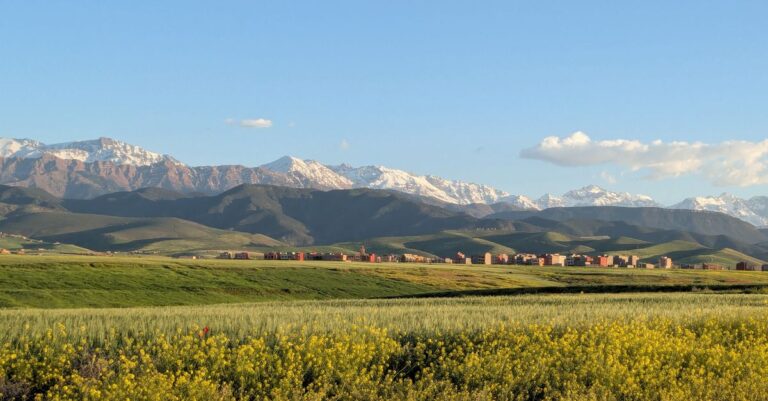
Summer (June to August) can be extremely hot inland, especially in Marrakech and the Sahara, though coastal towns like Essaouira and Agadir stay pleasant thanks to Atlantic breezes. Winter (December to February) is mild in the south but genuinely cold at night in Fez, Chefchaouen, and the High Atlas, where snow is common at altitude.
How Many Days Do You Need?
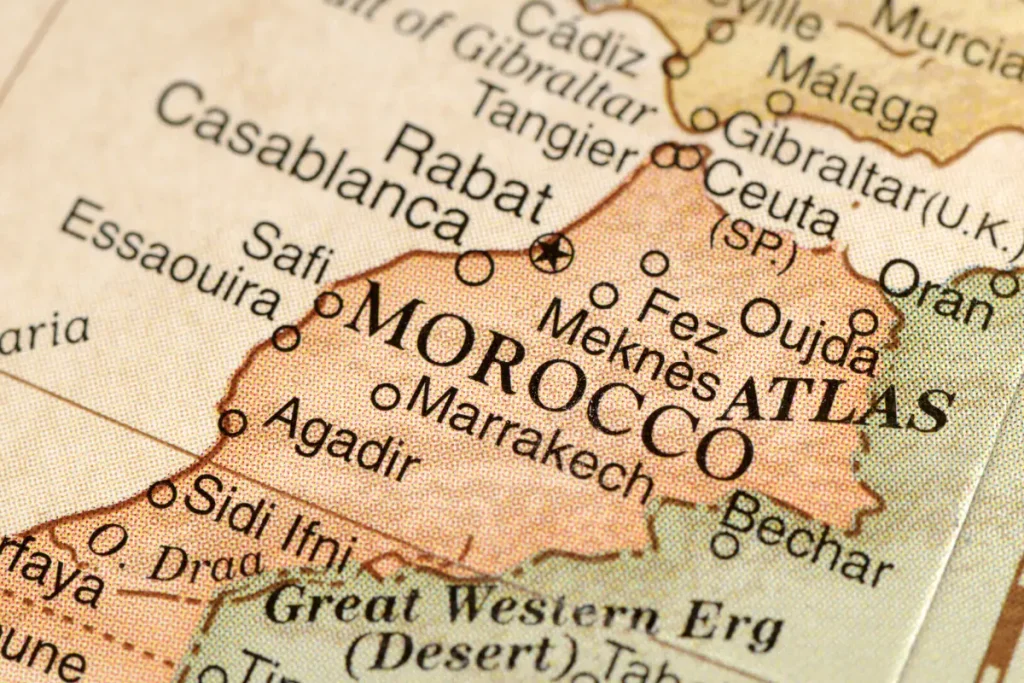
For a first trip, aim for at least 7 to 10 days. This is enough time for a classic loop such as Marrakech, the Sahara Desert, and Fez, with a stop in the Atlas Mountains along the way. If you only have 4 to 5 days, base yourself in Marrakech and take day trips to the Atlas Mountains, Essaouira, or the Agafay Desert instead of moving hotels every night. Two weeks or more allows you to add the north (Chefchaouen, Tangier) or the coast without rushing.
How to Travel Around Morocco
Morocco has one of Africa’s best rail networks, run by ONCF, Morocco’s national railway. The Al Boraq high-speed line connects Tangier and Casablanca via Rabat in around two hours, and standard trains link Casablanca, Rabat, Fez, and Marrakech comfortably and affordably.
For towns without a train station, CTM and Supratours buses are reliable and air-conditioned. Grand taxis (shared or private) work well for shorter regional hops, while domestic flights on Royal Air Maroc make sense for long distances, such as Marrakech to Dakhla. Many first-time visitors also hire a private driver or join a small-group tour for the Sahara Desert and Atlas Mountains routes, since road conditions and mountain driving can be unfamiliar. Self-drive car rental is possible and gives the most flexibility, but is best suited to confident drivers.
Where to Stay
A riad, a traditional Moroccan house built around an interior courtyard, is the quintessential place to stay in Marrakech, Fez, or Essaouira, and usually the highlight of a first trip. For modern amenities and pools, look at hotels in the Ville Nouvelle (new town) districts or beach resorts along the coast. In the Sahara, a one or two-night stay in a desert camp (bivouac) is a highlight for almost every visitor, ranging from simple shared tents to luxury camps with private bathrooms. In the Atlas Mountains, small guesthouses run by local families are the best base for hiking and village visits.
What to Eat
Moroccan food is one of the highlights of any trip. Start with a classic Moroccan tagine, a slow-cooked stew of meat or vegetables with preserved lemon and olives, and couscous, traditionally served on Fridays with seven vegetables. Do not miss pastilla, a sweet-and-savory pastry usually filled with pigeon or chicken, and harira, a hearty tomato and lentil soup that is especially popular during Ramadan.
Pair meals with sweet Moroccan mint tea, and try fresh orange juice from street stalls in Marrakech. Street food in Jemaa el-Fnaa is generally safe at busy, high-turnover stalls, but choose vendors with long local queues, and stick to bottled or filtered water to avoid stomach upset.
Morocco Travel Costs
Morocco is generally an affordable destination compared to Western Europe or the US. Budget travelers can get by on roughly $35 to $50 per day (hostels, street food, buses), mid-range travelers should budget $80 to $150 per day (riads, restaurant meals, private transfers, guided day trips), and a luxury trip with high-end riads, private guides, and desert camps can run $200 or more per day.
The currency is the Moroccan dirham (MAD), and it cannot be bought or sold outside the country, so exchange money on arrival or withdraw from ATMs. Cards are widely accepted in cities and mid-range or higher hotels, but cash is essential in medinas, souks, small restaurants, and rural areas.
Safety and Practical Tips
Citizens of the US, UK, and most EU countries can enter Morocco visa-free for stays of up to 90 days with a passport valid for at least six months beyond their arrival date. If your nationality requires advance authorization, check the requirements for a Morocco tourist e-visa well before you travel.
According to the official U.S. State Department travel advisory, Morocco is currently rated Level 2, meaning travelers should exercise increased caution, mainly due to a general regional terrorism risk rather than any specific threat to tourists. In practice, the vast majority of visits to Marrakech, Fez, Chefchaouen, and other tourist centers are trouble-free. The most common issues are petty theft, overcharging, and persistent touts in busy medinas, so keep valuables secure and agree on prices before accepting a service or a guide.
Dress modestly, especially outside resort and beach areas, covering shoulders and knees, which also helps you blend in and attract less attention in medinas. If you are traveling during Ramadan, be respectful of those fasting during daylight hours. For more official trip-planning resources, Morocco’s official tourism board is a useful reference for events, regional information, and practical updates.
Morocco Travel Checklist
- Passport valid for at least 6 months beyond your travel dates
- Travel insurance covering medical care and trip disruption
- Moroccan dirhams in cash, plus a backup card with no foreign transaction fees
- Modest clothing and a lightweight scarf or shawl
- Universal power adapter (Type C/E plugs, 220V)
- Sunscreen, rehydration salts, and basic medication
- Comfortable, broken-in walking shoes
- Digital and printed copies of key documents
- Offline maps downloaded for your destination cities
- A few basic French or Arabic phrases
Final Tips for First-Time Visitors
The best advice in any Morocco travel guide for first-time visitors is to slow down. Spend at least two nights in each major city, hire a local guide for your first walk through a new medina, and leave room in your itinerary for the unplanned invitation to tea or the detour down an unmarked alley. Negotiate politely in the souks, it is expected and part of the culture, but always with good humor. Morocco rewards travelers who stay flexible, and by the end of your first trip, you will already be planning your second.
Frequently Asked Questions
Do I need a visa to visit Morocco?
Most US, UK, and EU citizens can enter Morocco visa-free for stays of up to 90 days with a passport valid for at least six months. Some nationalities need to arrange a visa or e-visa in advance, so always confirm requirements for your specific passport before booking.
Is Morocco safe for first-time travelers, including solo women?
Yes, millions of tourists, including many solo women, visit Morocco safely every year. Standard precautions apply: dress modestly, avoid walking alone late at night in unfamiliar areas, and stay alert to pickpocketing in crowded medinas and markets.
What is the best time of year to visit Morocco?
Spring (March to May) and autumn (September to November) offer the most comfortable temperatures for exploring cities, the Atlas Mountains, and the Sahara Desert alike.
How many days should I spend in Morocco for a first trip?
Plan for at least 7 to 10 days to comfortably cover a classic route through Marrakech, the Sahara Desert, and one or two additional cities without rushing.
Is tap water safe to drink in Morocco?
Tap water in major cities is generally treated, but most visitors and locals alike drink bottled or filtered water to avoid stomach upset, especially in the first few days of the trip.