Atlas Mountains Morocco: Travel Guide, Things to Do & Tips
The Atlas Mountains Morocco experience is where a trip begins to feel slower, more spacious, and more connected to the landscapes around you. Instead of moving from one busy city to the next, you can trade medina lanes for mountain villages, rooftop breakfasts for valley views, and a tightly packed itinerary for walks that leave room to pause.
This guide is for independent travelers, backpackers, solo explorers, and anyone who wants to explore the mountains without treating them as a quick photo stop. I’ll explain what to do, how to choose between a day trip and a longer stay, what to pack, when to go, and how to travel in a way that respects the people and places you visit. If this is your first trip to the country, begin with my Morocco travel guide for first-time visitors to understand how the mountains can fit into a wider route.
Why Visit the Atlas Mountains Morocco?
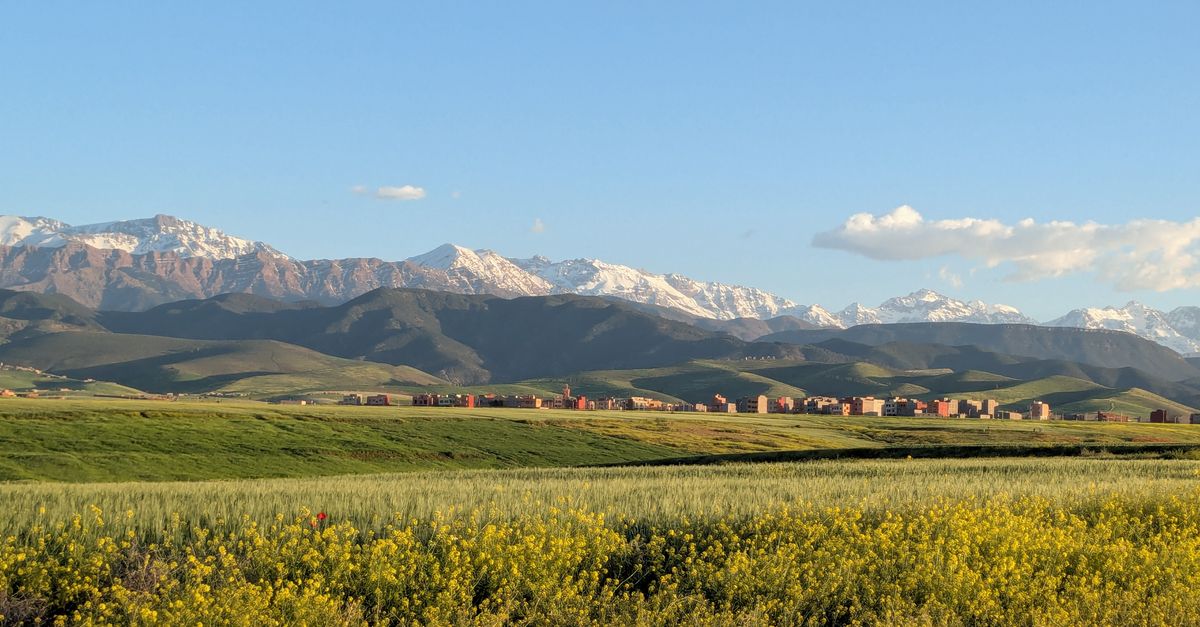
The Atlas Mountains are worth visiting because they add nature, cultural depth, and a welcome change of pace to a Morocco itinerary. From Marrakech, the landscape changes quickly as the road leaves the city behind and climbs toward valleys and Amazigh communities.
I like the mountains as a counterpoint to Morocco’s famous cities. Marrakech can be lively and intense; the mountains invite you to look more carefully. A village lane, a terraced slope, a small guesthouse, or a cup of tea after a walk can become more memorable than another hurried attraction.
The region also works for different travel styles. You can visit on a day trip, spend a night in a family-run guesthouse, arrange a guided hike, or use the High Atlas as part of a longer route toward Ait Ben Haddou and the desert. The right choice depends less on how many places you want to see and more on how much time you want to spend walking, resting, and getting to know one area.
For broader route ideas, my Morocco vacation guide compares cities, desert routes, the coast, and mountain experiences. The mountains are especially useful when you want adventure without committing to a full desert circuit.
Best Things to Do in the Atlas Mountains Morocco
The best things to do in the Atlas Mountains combine walking, village visits, local food, scenery, and time spent without a strict schedule.
Walk through mountain villages
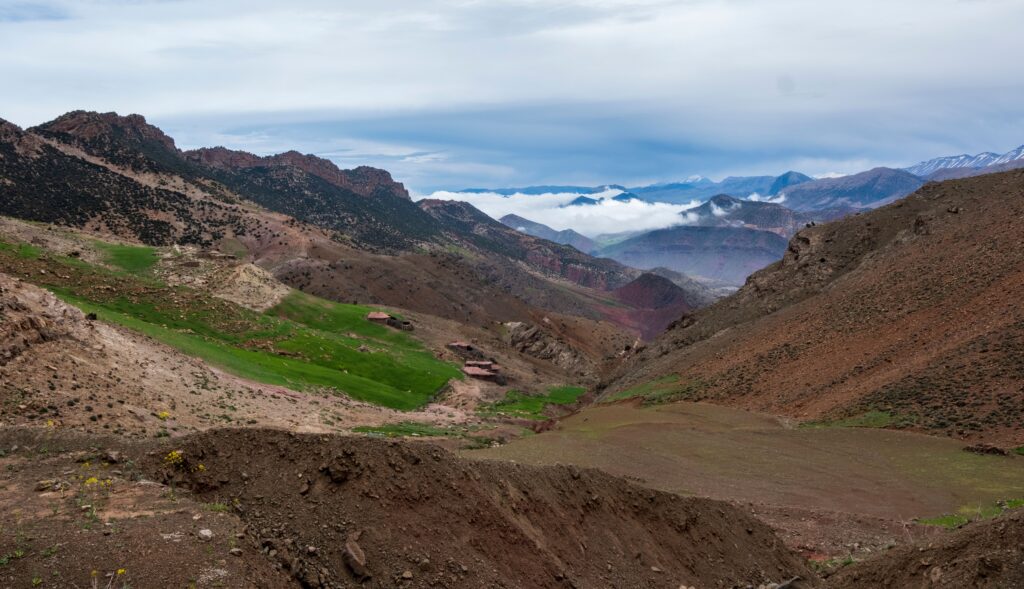
Village walks are one of the simplest ways to experience the High Atlas. Rather than rushing from viewpoint to viewpoint, follow a local guide or a clearly arranged route through agricultural areas, footpaths, and settlements. The walk may be gentle or demanding depending on the route, so ask about the terrain and elevation before setting out.
Walk respectfully. These are lived-in communities, not open-air museums. Keep noise down, ask before photographing people, and avoid entering private spaces or treating homes as scenery. A guide can help with both navigation and cultural context, especially when paths pass through working farmland or smaller villages.
Hike in the High Atlas
Hiking is the main reason many travelers come to the High Atlas, but you don’t need to plan an extreme trek to enjoy the region. Short walks between villages, half-day routes, and full-day hikes can all work, provided they match your fitness, experience, and the conditions on the ground.
Start slowly if you have just arrived from a city or a long journey. Mountain paths can be uneven, weather can change, and a route that looks short on a map may feel very different when it climbs steadily. Wear shoes with proper grip, carry water, and tell your accommodation or guide where you are going.
If you want a more ambitious route, arrange a local guide in advance and ask exactly what the walk includes. Confirm the meeting point, expected terrain, food, water arrangements, and whether you need any special equipment. I’d rather ask too many practical questions before a hike than discover halfway through that the route is not suitable for me.
Stay in a family-run mountain guesthouse
A guesthouse stay can make the mountains feel much more personal than a quick excursion. Many travelers choose family-run accommodation as a base for walks and village visits, and the shared meals can be as important as the scenery.
Before booking, ask about the location, access, bathrooms, heating, meals, and whether someone can meet you if the accommodation is difficult to find. Mountain stays may be simple, and that is part of the appeal, but “simple” should still match your expectations. If you need reliable internet, private facilities, or specific dietary arrangements, confirm those details rather than assuming.
Bring patience and curiosity. A meal may take longer than expected, plans can change with the weather, and the best conversation may happen when you stop trying to fill every minute.
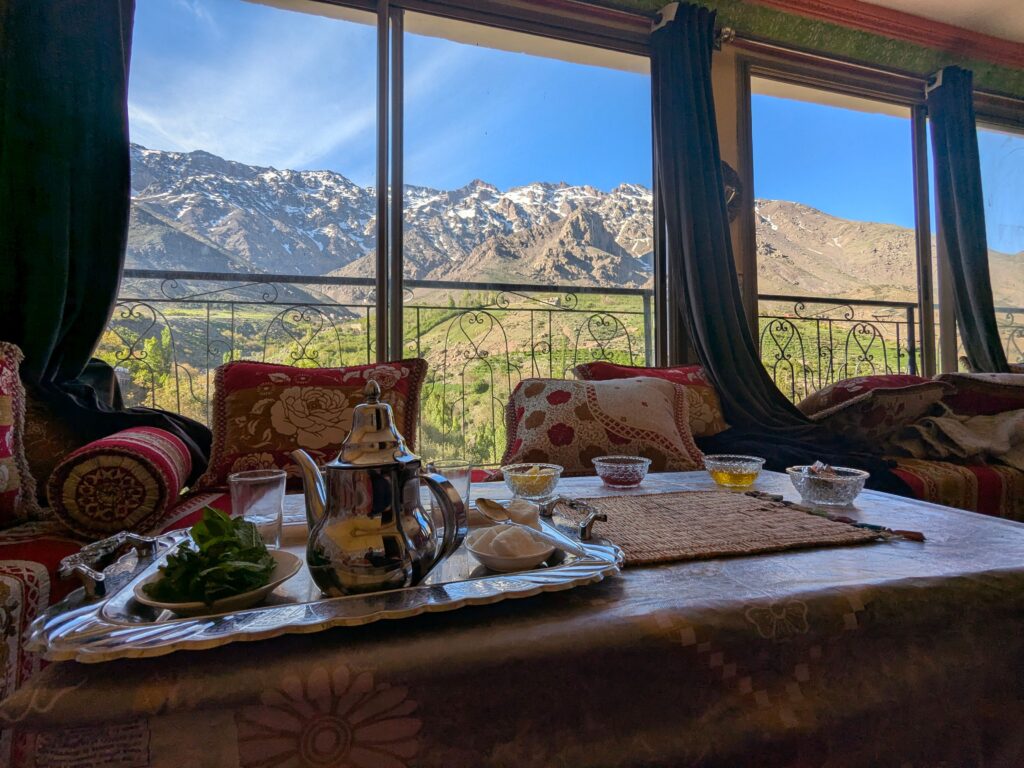
Eat local food and drink mint tea
Food is one of the easiest ways to connect with a mountain region. Expect familiar Moroccan staples such as bread, tagine, couscous, salads, olives, seasonal produce, and mint tea, although the exact meal depends on the household or guesthouse. My guides to Moroccan tagine, couscous, and harira soup are useful introductions before you travel.

In rural areas, carry some cash and do not assume every business accepts cards. If you have allergies or dietary requirements, explain them clearly before eating. A few simple phrases, translated notes, or help from your accommodation can make meals much easier.
Pause for the landscape
The mountains reward travelers who leave space for observation. Find a terrace, sit beside a village path, or stop at a viewpoint during a road journey. The colors and textures change with altitude, weather, and season, so there is no need to chase one perfect view.
I would also avoid describing every quiet valley as untouched or undiscovered. People farm, work, host visitors, and move between communities here. The most meaningful approach is to see the mountains as a lived landscape, not simply a dramatic background for photographs.
How to Plan an Atlas Mountains Morocco Trip
Plan your Atlas Mountains Morocco trip by choosing one base, deciding how much walking you want, and leaving flexibility for weather and mountain roads.
Day trip or overnight stay?
A day trip is useful if you have limited time in Marrakech or want a first taste of the landscape. It can include a scenic drive, a short walk, a village visit, and a meal before returning to the city. The drawback is that you spend more time following a schedule and less time experiencing the quieter rhythm of the mountains.
An overnight stay is my preferred option when the itinerary allows it. Sleeping in the region gives you a slower morning, more choice of walks, and a chance to support a local guesthouse. You can also avoid trying to combine too many attractions into a single day.
For a first visit, choose one area rather than attempting to cover the entire range. Ask your accommodation or guide which routes are currently practical, then plan around that local advice.
Combine the mountains with Marrakech
The mountains pair naturally with Marrakech. Spend several nights in the city, then move into the countryside when you need a break from the medina and souks. My seven-day Morocco itinerary from Marrakech to Fes includes a High Atlas crossing as part of a longer desert route, but you can also make the mountains the main excursion rather than one stop on a busy circuit.
Before you leave Marrakech, arrange transport, accommodation, and any guide services. Confirm where you will be collected, whether your luggage stays with you, and what happens if road conditions affect the plan. Avoid booking a tight onward connection immediately after a mountain excursion.
Continue toward the south
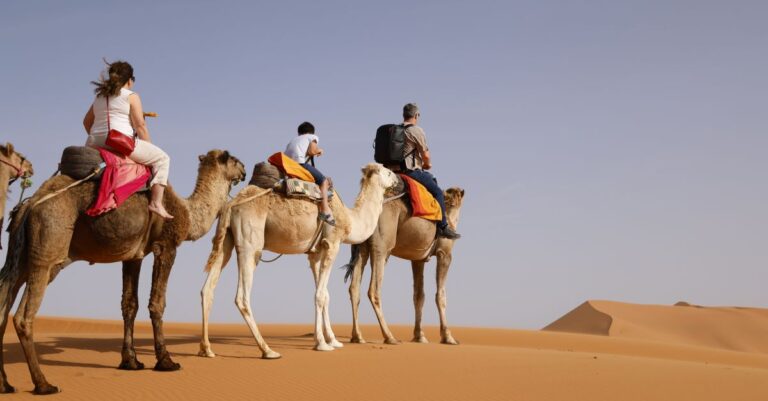
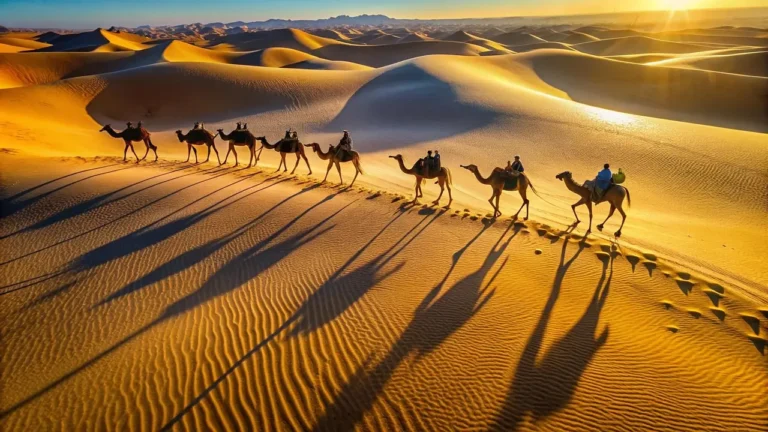
Some travelers cross the High Atlas on the way to Ait Ben Haddou, Ouarzazate, the Dades Valley, and the Sahara. This route offers a strong contrast between the green or cultivated mountain valleys and the drier landscapes farther south, but it also includes long road days.
If you follow this route, choose a private driver or small-group tour according to your budget and preferred pace. A private vehicle gives you more control over stops, while a group tour can be practical and sociable for solo travelers. Confirm the accommodation, meals, vehicle, guide arrangements, and included stops before paying.
For comparison, my Morocco travel guide for planning a visit explains how to balance cities, mountains, desert, and coast without making every day a transfer day.
When to Visit the Atlas Mountains
The best time to visit depends on your route, altitude, and tolerance for cold or heat. Spring, from March to May, and autumn, from September to November, are often attractive for combining city walks with mountain activities, but conditions vary across the region and from year to year.
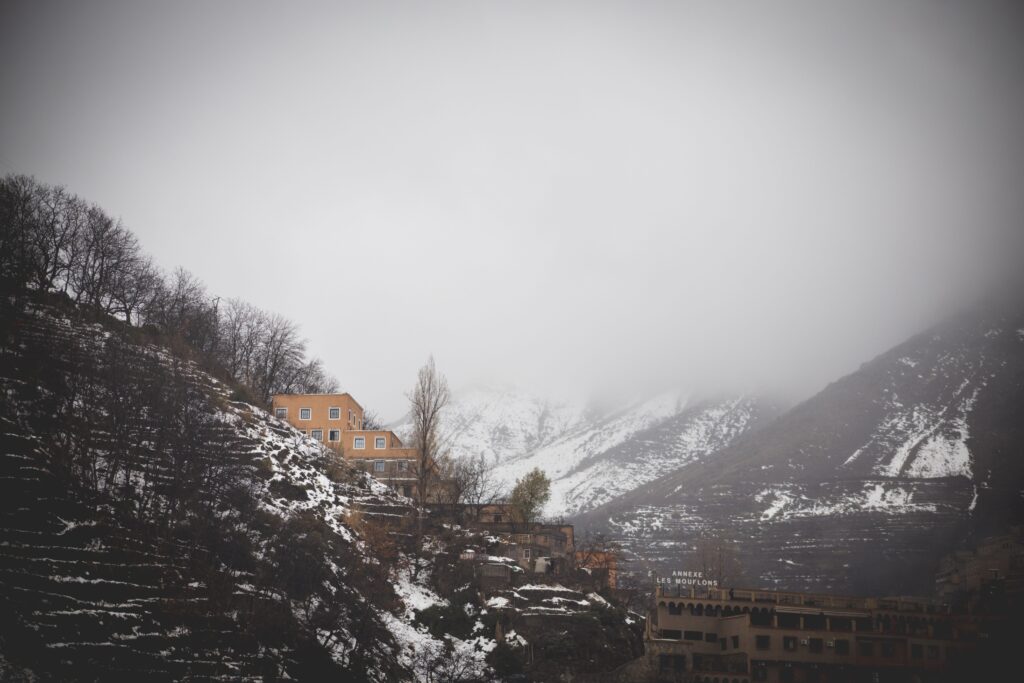
Summer, from June to August, can be hot in lower areas, while higher mountain locations may feel more comfortable. Winter, from December to February, can bring cold nights and difficult conditions on high routes. Snow may affect mountain roads and passes, so build flexibility into a winter itinerary and check current local conditions before setting out.
Do not rely on a generic seasonal promise. Ask your accommodation or guide about the specific route you want to take during the season and year of your visit. A low valley walk and a high-altitude trek can have completely different conditions on the same day.
Getting Around the Atlas Mountains
Use a planned transfer, private driver, organized excursion, or local taxi arrangement to reach your chosen mountain base, then walk or hike from there. Public transport may be useful for some regional connections, but rural services can be less frequent and may not take you directly to a trailhead or guesthouse.
A private driver is helpful when you want to stop for viewpoints or adjust the pace. A group excursion can reduce costs and create an easy way to meet other travelers, although the schedule will be less flexible. If you travel solo, ask whether the hike is shared with other guests and what group size to expect.
Do not rely only on an online map for mountain navigation. Paths can be unclear, mobile coverage can vary, and a route may cross private or agricultural land. A local guide is particularly worthwhile when the walk is long, the terrain is unfamiliar, or the weather is unsettled.
If your wider trip includes rail travel between Moroccan cities, check current information with ONCF, Morocco’s national railway. Trains can connect the city portions of your itinerary, but the final mountain leg usually requires another form of transport.
What to Pack for the Atlas Mountains
Pack light but prepare for changing conditions. Mountain mornings, sunny afternoons, wind, and cold evenings can all be part of the same trip, particularly when you move between different elevations.
- Comfortable walking shoes with good grip
- Light layers and a warmer jacket for evenings or higher routes
- Sun protection, including sunscreen, sunglasses, and a hat
- A refillable water bottle and snacks for longer walks
- A small backpack for day hikes
- Cash in Moroccan dirhams for rural stops and small businesses
- Offline maps and a charged power bank
- Modest clothing suitable for villages and family-run accommodation
- Any personal medication, since supplies may be limited outside larger towns
Bring clothing that lets you move comfortably while remaining considerate of local customs. A scarf or light layer is useful for sun, wind, and visits to more traditional communities. If you are staying overnight, ask whether bedding, towels, and heating are provided.
Respectful and Practical Travel Tips
The most responsible way to visit the Atlas Mountains is to treat local people as hosts and neighbors rather than part of the scenery. Ask before taking photographs, pay fairly for guiding and services, and support locally owned accommodation where possible.
- Ask before photographing people: children, workers, and families deserve the same privacy you would expect at home.
- Follow your guide’s advice: local knowledge matters when paths, weather, or access change.
- Carry your waste out: keep wrappers, tissues, and bottles with you until you find a suitable bin.
- Respect water: avoid waste, especially in dry areas and small communities.
- Dress with context in mind: covered shoulders and knees are a practical choice in villages and religious spaces.
- Confirm prices: agree on transport, guiding, meals, and extra services before they begin.
- Do not promise gifts to children: if you want to contribute, ask your accommodation about useful local initiatives.
- Leave room in your schedule: mountain travel works better when you are not rushing toward the next reservation.
Solo travel can work well here, but independence does not mean ignoring local advice. Tell someone your planned route, choose a guide for more demanding walks, and keep your accommodation informed if plans change. The mountains can also be social: shared guesthouses, group hikes, and communal meals create natural opportunities to meet other travelers without forcing constant interaction.
Places to Add Beyond the Mountains
The High Atlas can be the center of a focused trip or one part of a wider Moroccan route. Marrakech is the easiest pairing for many visitors, while the road south can lead toward kasbahs, valleys, and desert landscapes.
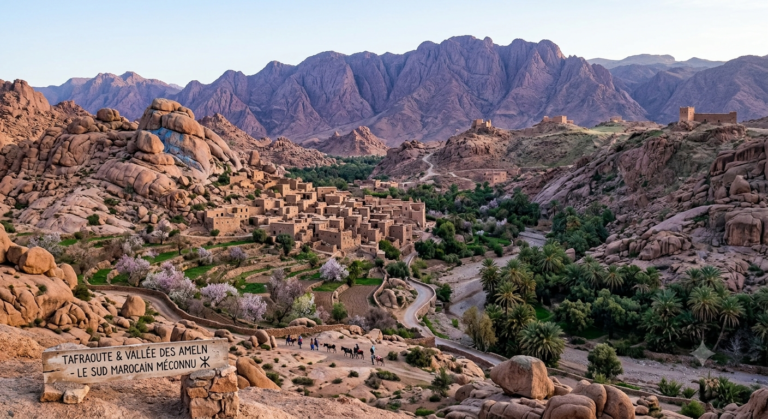
If you want a less familiar mountain-and-valley experience, consider planning a separate journey to Tafraoute and the Ameln Valley. This Anti-Atlas region is not a casual add-on from Marrakech, so treat it as its own destination with dedicated transport planning.
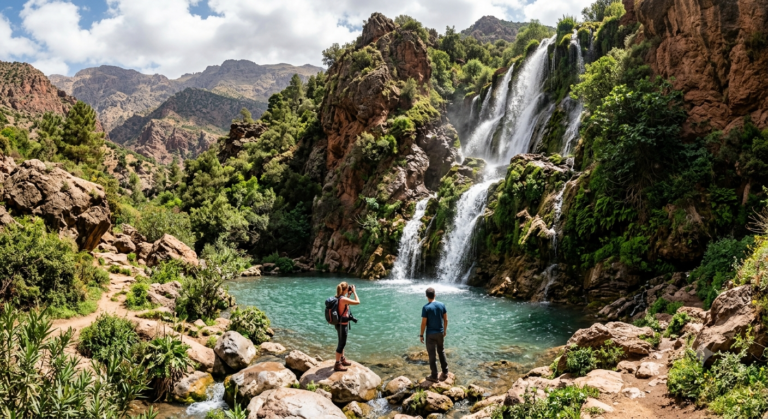
Travelers who enjoy nature can also compare the mountains with Morocco’s waterfalls beyond Ouzoud. The landscapes and logistics are different, but both can suit travelers who want to spend more time outdoors and less time moving between major cities.
If you are planning a longer city route, you can also use my guides to Casablanca, Moroccan tagine, and pastilla to add practical city and food context before or after your mountain stay.
What to Do Next
Start by deciding whether you want a short introduction or a real mountain stay. If you have only one spare day, book a focused excursion with a clear walking plan. If you have two or more nights, choose one base, reserve a guesthouse, and arrange a route that matches your fitness and interests.
Ask practical questions before you pay: Where is the meeting point? What is included? How long will you walk? What happens if weather changes? Is food provided? Can the route be adjusted? These details matter more than a polished itinerary description.
Then leave some space for the mountains to set the pace. Watch the light move across a valley, share tea after a walk, learn a few greetings, and let the landscape be more than a stop between Marrakech and the Sahara. That is when an Atlas Mountains Morocco trip starts to feel like travel rather than a checklist.
Frequently Asked Questions About the Atlas Mountains
Can I visit the Atlas Mountains from Marrakech?
Yes. Many travelers visit as a day trip, while others stay overnight in a mountain guesthouse. Arrange the transport and walking route in advance, and choose an itinerary that leaves enough time for the return journey.
Do I need a guide to hike in the Atlas Mountains?
It depends on the route, your experience, and current conditions. A guide is particularly useful for longer walks, unfamiliar paths, higher routes, and visits that involve several villages. For a short, clearly arranged walk, you may need less support, but ask locally before setting out.
What should I wear in the Atlas Mountains?
Wear comfortable layers, sturdy walking shoes, sun protection, and a warmer outer layer for evenings or higher elevations. Modest clothing is practical in villages and helps you travel respectfully.
Can I combine the mountains with a Sahara trip?
Yes. The High Atlas is commonly included on longer routes from Marrakech toward Ait Ben Haddou, Ouarzazate, the Dades Valley, and the Sahara. This combination is rewarding but includes long road days, so avoid squeezing it into an overly short itinerary.
Are the Atlas Mountains suitable for solo travelers?
They can be, especially when you stay in a sociable guesthouse, join a group walk, or arrange a trusted local guide. Keep someone informed of your plans, respect local advice, and do not choose a demanding route simply to prove that you can do it alone.
How long should I stay in the Atlas Mountains?
A day can introduce you to the landscape, but an overnight stay gives you more time for walking, local meals, and a slower experience. Choose the length according to the route and activities you genuinely want rather than adding nights without a plan.