Casablanca Morocco Travel Guide: Things to Do & Tips
Casablanca Morocco is often treated as a gateway to somewhere else: a place to land, change trains, and continue toward Marrakech, Fes, or the desert. I think that’s a missed opportunity. Morocco’s largest city has a modern, ocean-facing energy that feels very different from the country’s famous imperial cities, and it rewards travelers who give it more than a rushed afternoon.
This Casablanca Morocco travel guide is designed for independent travelers, backpackers, solo explorers, and anyone who wants to understand the city without overcomplicating the visit. I’ll show you what to do, where to wander, how to eat well, how to connect Casablanca with the rest of the country, and how to decide whether one night or several is right for your route.
Why Visit Casablanca Morocco?
Visit Casablanca Morocco when you want to experience Morocco’s contemporary side alongside its historic architecture, Atlantic atmosphere, and everyday city life. It’s a practical arrival point, but it’s also a destination with its own character.
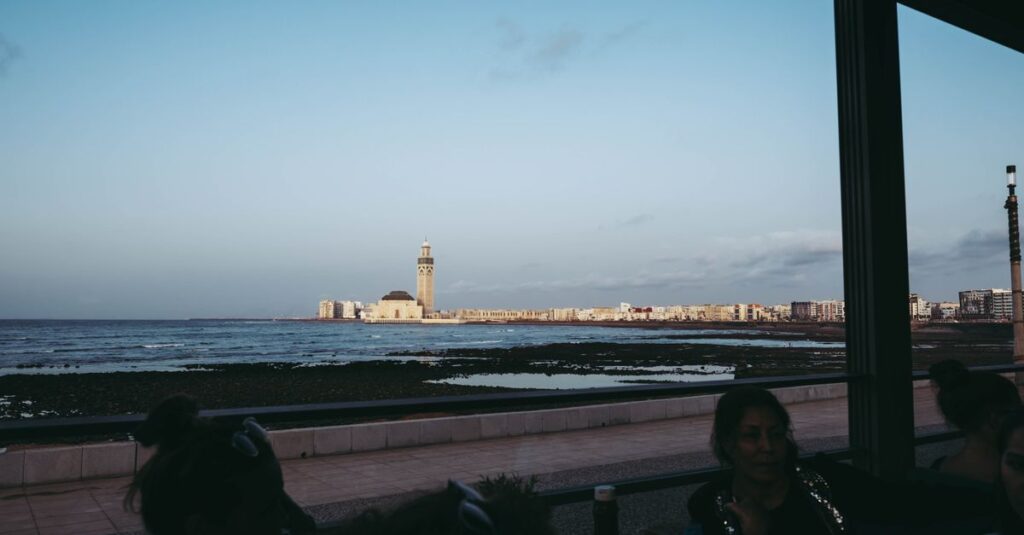
Casablanca is busier and more urban than Marrakech or Fes. Wide streets, modern business districts, cafés, apartment blocks, art-deco façades, and residential neighborhoods sit alongside traditional markets and religious architecture. That contrast is part of the appeal. Instead of feeling like a city preserved for visitors, Casablanca gives you a closer look at how Morocco’s commercial and cultural life moves today.
I wouldn’t choose it as the only stop on a first Morocco trip if your dream is ancient medinas or desert dunes. I would choose it as a thoughtful beginning or ending, especially if your flight schedule makes it convenient. One full day can introduce you to the city; two nights give you time to explore at a more relaxed pace and add a nearby coastal or historic excursion.
Casablanca is also useful for travelers building a wider route. The national railway connects it with other major Moroccan cities, so you can use the city as a launch point rather than spending your first day arranging a complicated transfer. For broader route ideas, my Morocco travel guide for first-time visitors can help you compare Casablanca with Marrakech, Fes, Rabat, Essaouira, and other destinations.
Things to Do in Casablanca
The best things to do in Casablanca combine landmark architecture, oceanfront walks, markets, food, and unhurried neighborhood exploration.
Begin around the Hassan II Mosque
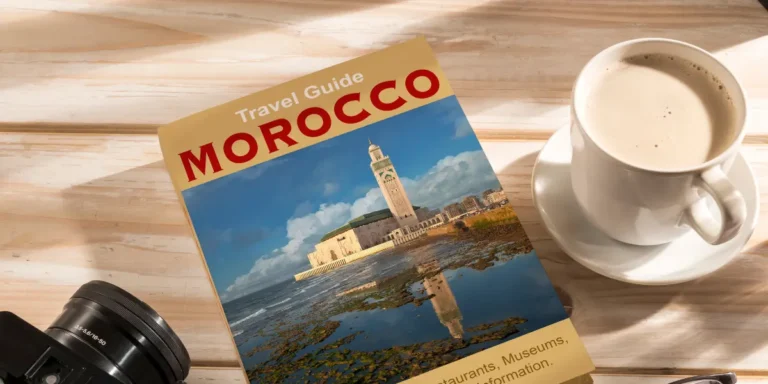
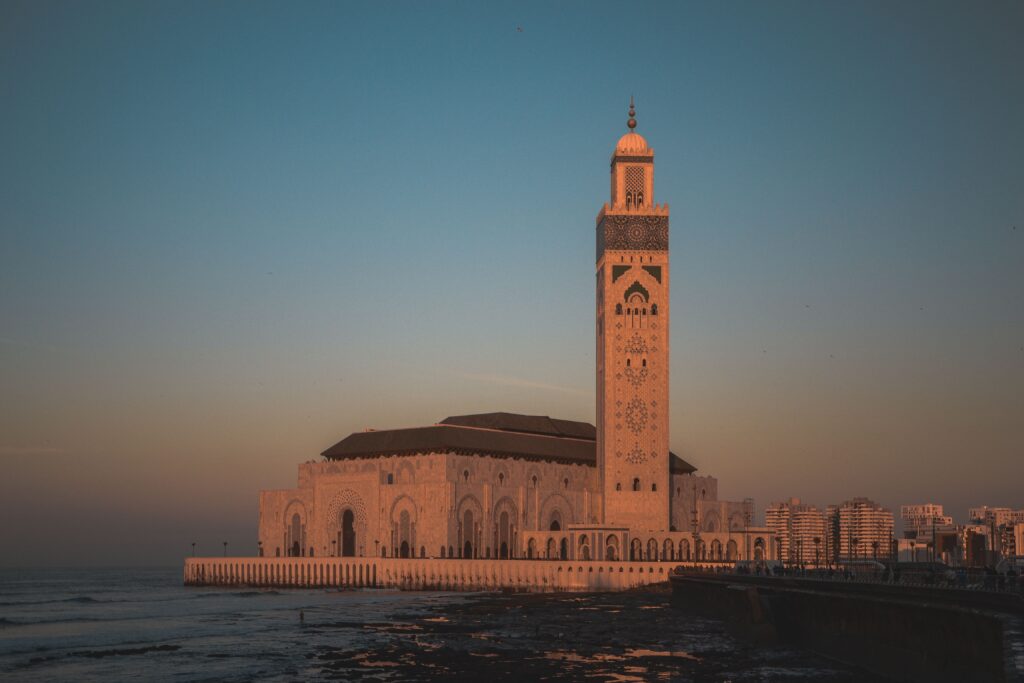
The Hassan II Mosque is the city’s defining landmark and the natural starting point for a first visit. Its position beside the Atlantic gives the surrounding area a spacious, open feeling that contrasts with Casablanca’s busy streets. Even if you’re focusing on the exterior and surrounding esplanade, allow time to appreciate the scale, tilework, carved details, and relationship between the building and the sea.
Visitors should check current visiting arrangements through the mosque’s official information before planning an interior visit, as access can depend on scheduled tours and religious observances. Dress respectfully, and remember that this is an active religious space rather than simply a photo stop. If you arrive early or near sunset, the light and atmosphere around the waterfront can make the visit feel less hurried.
Explore the Habous Quarter
The Habous Quarter is a good place to ease into Casablanca’s markets without starting in the most intense part of the city. Its streets combine traditional Moroccan design with a more planned layout, making them easier to explore than a maze-like medina. Browse bookshops, bakeries, clothing stores, leather goods, ceramics, and small food businesses, but keep your expectations realistic: this is a working neighborhood as well as a shopping area.
Habous is particularly useful for travelers who want to practice browsing and bargaining at a gentler pace. Ask the price before committing to a service or purchase, compare a few shops, and bargain politely when it’s appropriate. I find that shopping becomes much more enjoyable when the goal is curiosity rather than winning every negotiation.
Look for Casablanca’s art-deco architecture
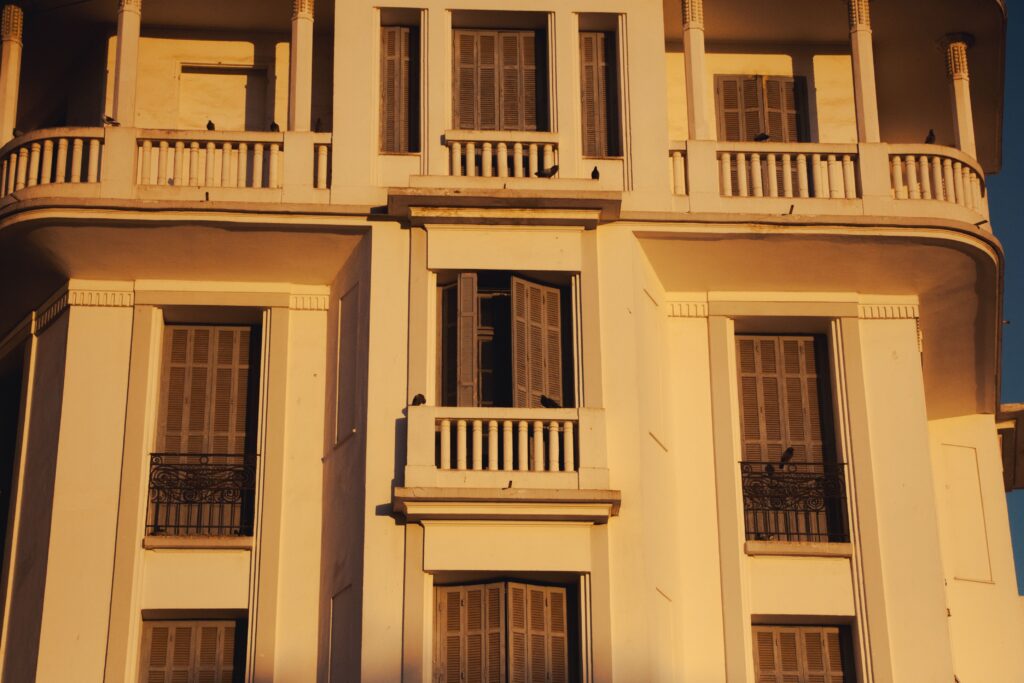
Casablanca’s architecture is one of its most rewarding features, especially if you enjoy cities that reveal themselves slowly. Central streets contain façades, balconies, arcades, and geometric details shaped by the city’s twentieth-century development. You don’t need to know every architectural term to appreciate the walk; simply look up from street level and notice the contrast between weathered buildings, modern storefronts, and restored façades.
A self-guided architecture walk works well if you enjoy setting your own pace. A local guide can add more context if you want to understand the history behind specific buildings. Either way, leave room for ordinary details: a café terrace filling during the morning, a delivery scooter navigating a narrow street, or an old sign surviving above a newer shop.
Spend time along the Corniche
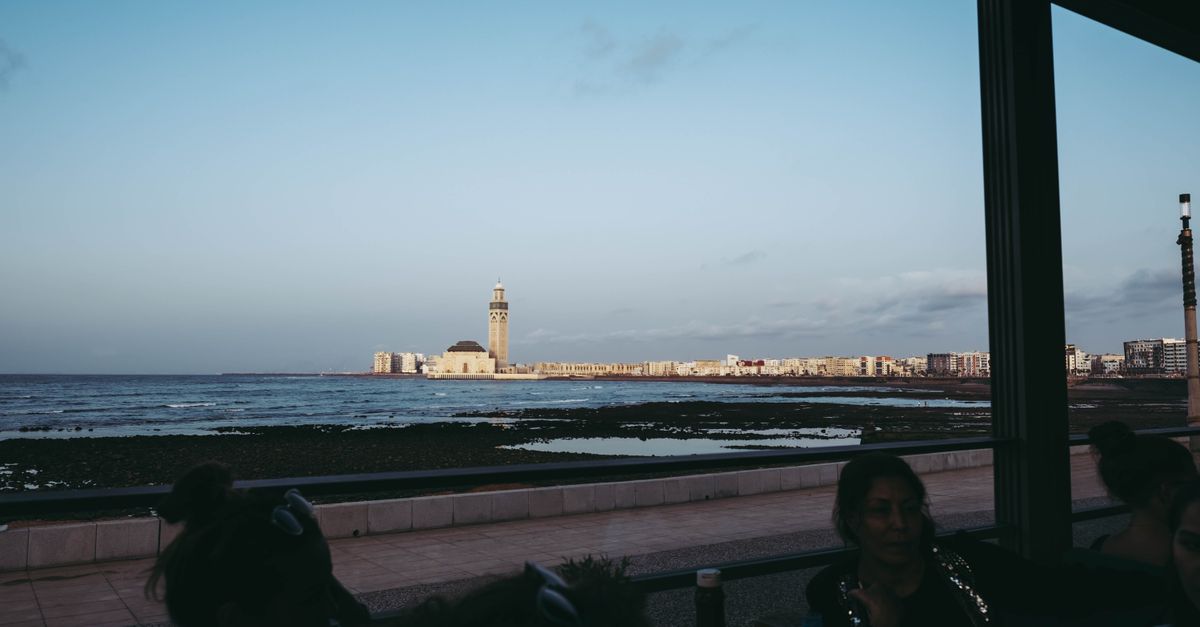
The Corniche gives you a change of rhythm after the traffic and dense streets of central Casablanca. Walk beside the Atlantic, pause for a drink, or find a place to watch the changing light over the water. The area has a more leisure-oriented feel than the city center, although its atmosphere changes depending on the day, weather, and time of year.
It’s a useful place for solo travelers who want some quiet without leaving the city. You can enjoy the coast independently, choose a café, and take a break from sightseeing without needing a formal activity. Bring a light layer, since Atlantic wind can make the waterfront feel cooler than inland streets.
Visit a market and eat beyond the tourist circuit
Casablanca is a good city for food-focused wandering. Look for bakeries, juice counters, cafés, seafood restaurants, and casual places serving Moroccan staples. Try tagine, couscous, harira, grilled fish, fresh salads, bread, olives, and mint tea, but don’t feel that every meal needs to be a formal restaurant experience.
My advice is to follow local rhythms. A busy, clean-looking establishment with regular customers is often a useful starting point, particularly if you’re trying a dish you haven’t encountered before. If you have dietary requirements, explain them clearly and keep a translation of important phrases available. Casablanca’s food scene also reflects its international character, so you’ll find more than traditional Moroccan cooking.
Before you go, you can get familiar with some of the country’s best-known dishes through these guides to Moroccan tagine, couscous, pastilla, and harira. I’d still leave plenty of room for dishes you discover spontaneously in Casablanca.
How Long to Stay in Casablanca
One full day is enough for Casablanca’s main landmarks, while two nights allow you to explore without turning the city into a checklist.
- A few hours: use Casablanca for a short stop between the airport, railway station, and your next destination, but keep your plan focused.
- One night: see the Hassan II Mosque area, take an architecture walk, eat locally, and continue the following day.
- Two nights: add the Habous Quarter, the Corniche, slower café time, and a more flexible food-focused evening.
- Three nights or more: use Casablanca as a base for a nearby day trip or spend extra time exploring neighborhoods beyond the central sights.
For most first-time visitors, I’d choose two nights if the wider itinerary allows it. Casablanca is not a city I’d rush through just because it lacks the instantly recognizable visual language of Marrakech or Chefchaouen. Its appeal is more layered: architecture, movement, food, commerce, and the Atlantic all make more sense when you give them breathing room.
If you’re planning a classic route that includes Marrakech, the desert, and Fes, be careful not to add Casablanca simply because it appears on a map. Place it at the beginning or end of your trip, then use the railway for the next leg where practical. My seven-day Morocco itinerary from Marrakech to Fes is a useful comparison if you’re weighing a city-and-desert route against a slower northern itinerary.
Getting Around Casablanca and Beyond
Use trains for major intercity connections, trams or taxis for city movement where available, and walking for compact sightseeing areas. Casablanca is large enough that you shouldn’t assume every attraction is close together, so group activities by neighborhood rather than crossing the city repeatedly.
The railway is especially helpful if Casablanca is part of a larger Morocco itinerary. Check current routes, fares, and departure information with ONCF, Morocco’s national railway, before traveling. Schedules and booking conditions can change, so I wouldn’t plan a tight connection immediately after an international arrival or a long road journey.
From the airport, arrange your onward transport in advance if you’re arriving late, carrying heavy luggage, or staying in accommodation that’s difficult to locate. Ask your hotel or riad for precise directions and a useful meeting point. If you’re using a taxi, agree on the destination and price or meter arrangement before setting off, depending on the local system at the time of travel.
Walking can be one of the best ways to understand Casablanca, but it works best in sections. Wear comfortable shoes, keep your phone and wallet secure in crowded areas, and take breaks in cafés rather than trying to cover the entire city on foot. For longer trips beyond Casablanca, compare trains, buses, private transfers, and small-group tours based on your budget and tolerance for fixed schedules.
Where to Stay in Casablanca
The best place to stay depends on whether you prioritize transport, historic atmosphere, restaurants, or the coast. Choose the neighborhood around your plans rather than booking solely because a property looks attractive online.
Near the city center
The central area is practical for travelers interested in architecture, cafés, shopping, and onward transport. It can feel busy, but that energy is useful if you want to see Casablanca’s working urban side. Look for accommodation with clear arrival instructions and recent reviews that discuss noise, access, and the surrounding streets.
Near the Habous Quarter
Staying near Habous can suit travelers who prefer a more neighborhood-focused visit and easy access to markets and traditional food. It may be less convenient for every coastal activity, so check the location against your planned route before booking.
Along the Corniche
The Corniche is a better match if you want sea air, evening walks, and a more relaxed hotel environment. It may feel removed from the city’s central architecture and markets, so plan your transport rather than assuming you can walk everywhere.
For a more traditional Moroccan stay, a riad can be appealing, although the city-center options may differ from the classic courtyard houses found in Marrakech or Fes. My broader Morocco vacation guide explains how I’d compare riads, hotels, guesthouses, and desert camps across a longer route.
Casablanca Travel Tips for Independent Visitors
A smooth Casablanca trip comes down to planning your arrival, keeping your route flexible, and respecting the city as a lived-in place rather than a stage set.
- Keep your first day light: after a flight, choose one major sight, a meal, and an easy walk rather than an ambitious schedule.
- Carry some cash: smaller cafés, taxis, markets, and independent businesses may not accept cards.
- Pack layers: Atlantic wind and evening temperatures can feel different from inland Morocco, particularly during cooler months.
- Dress with context in mind: modest clothing is a practical choice, especially near religious sites and traditional neighborhoods.
- Ask before photographing people: architecture is one thing; photographing residents, workers, and private homes requires more care.
- Confirm prices first: do this for taxis, guides, market services, and any activity that isn’t clearly priced.
- Use a local guide selectively: a guide can add valuable architectural or cultural context, but you don’t need one for every hour of the trip.
- Download offline maps: they’re useful when your connection disappears or a driver needs a precise location.
Solo travel doesn’t have to feel lonely here. Choose a sociable hotel or hostel, join a food walk, take a cooking class, or simply sit at a café where conversation happens naturally. At the same time, don’t pressure yourself to be constantly social. A solo trip can include quiet walks, long meals, and an afternoon spent observing the city from a shaded table.
Check passport-specific entry requirements through official sources before booking flights. Requirements vary by nationality and can change, so treat any guide as a starting point rather than a substitute for current government information. If you’re considering a wider trip, my Morocco travel guide for planning a visit brings together broader advice on seasons, transport, food, budgets, and customs.
Day Trips and Add-Ons from Casablanca
Casablanca works best as part of a northern or Atlantic itinerary, rather than as a base for trying to reach every famous Moroccan destination. Choose a day trip that matches your interests and return time, then keep enough margin for transport changes.
Rabat is a natural addition for travelers interested in history, government, architecture, and a calmer capital-city atmosphere. It can pair well with Casablanca because the two cities offer a useful contrast: one feels commercially intense and metropolitan, while the other has a more measured rhythm.
Another option is to use Casablanca as the start of a longer route toward Fes, Meknes, Chefchaouen, or Tangier. That itinerary gives you more time in northern Morocco and avoids forcing the city into a desert loop that already includes long overland days. If you prefer the Atlantic, plan a coastal route with stops chosen for beaches, seafood, and slower evenings rather than trying to tick off every city.
For travelers drawn to less familiar landscapes, the Anti-Atlas region around Tafraoute and the Ameln Valley offers a very different experience, but it isn’t a casual day trip from Casablanca. Treat it as a separate regional journey with its own transport planning.
What to Do Next
Start by deciding whether Casablanca is your arrival city, departure city, or a deliberate stop in the middle of your route. Then choose two or three priorities: architecture, food, the ocean, markets, or a nearby city. That simple decision will keep your itinerary focused.
Book accommodation with clear directions, check your train or transfer information close to departure, and leave at least one unplanned block in your schedule. Casablanca is most interesting when you have time to notice the spaces between attractions: a bakery counter, a tiled entrance, a busy café, or an old façade you almost walked past.
Don’t expect Casablanca to imitate Marrakech or Fes. Let it be a modern Atlantic city with a strong Moroccan identity, and you’ll likely find more here than a convenient transport connection. Give it a day or two, eat with curiosity, and let the city’s ordinary rhythms become part of your trip.
Frequently Asked Questions About Casablanca Morocco
Is Casablanca worth visiting?
Yes, especially if you enjoy architecture, food, oceanfront walks, and contemporary city life. It may not offer the same medina experience as Marrakech or Fes, but that difference is precisely why it deserves a place on some Morocco itineraries.
How many days should I spend in Casablanca?
One full day covers the main highlights, while two nights gives you time for the Hassan II Mosque area, Habous Quarter, architecture walks, the Corniche, and slower meals. Stay longer only if you have a clear reason, such as a nearby excursion or a relaxed city break.
Can I visit Casablanca without a car?
Yes. You can combine walking with taxis and public transport, while trains connect Casablanca with major Moroccan cities. Check current routes and schedules before traveling, and avoid planning tight connections around your arrival.
What should I eat in Casablanca?
Try Moroccan staples such as tagine, couscous, harira, bread, olives, grilled food, fresh salads, mint tea, and seafood. Casablanca’s urban character also means you can find international and modern Moroccan restaurants alongside traditional cafés.
Is Casablanca a good starting point for Morocco?
It can be an excellent starting point if your flight arrives there or if you want to begin with a modern Moroccan city. Spend at least one night if your schedule permits, then continue by train or another suitable form of transport toward your next destination.