Morocco Vacation Guide: Plan Your Perfect Trip
A Morocco Vacation can be as energetic or as slow-moving as you want it to be. You might spend your morning tracing mosaic-covered walls in Fes, your afternoon drinking mint tea in a mountain village, and your next night beneath a sky full of stars near the Sahara. The challenge isn’t finding things to do; it’s choosing a route that leaves enough room to enjoy them.
This guide is designed for independent travelers, backpackers, solo explorers, and anyone who wants a practical trip without turning every day into a race. I’ll help you choose where to go, how long to stay, how to move around, what to budget for, and how to make the experience feel more connected to everyday Moroccan life.
How to Plan Your Morocco Vacation
The best way to plan your Morocco Vacation is to choose your priorities first, then build a route around them. Start by deciding whether you’re most excited by medinas and architecture, desert landscapes, mountain walks, Atlantic beaches, food, or a mixture of everything.
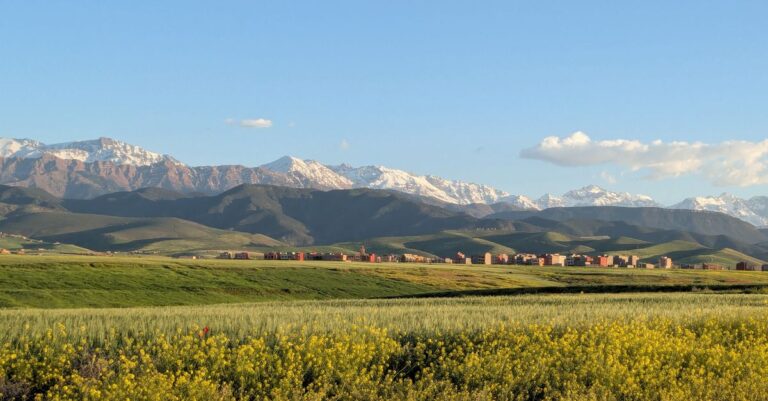
For a first visit, Marrakech, the High Atlas, the Sahara, and Fes make a memorable classic route. It also involves some long overland days, so it suits travelers who see the journey itself as part of the adventure. If you’d rather travel slowly, base yourself in Marrakech and add Essaouira or the Atlas Mountains instead of crossing the entire country.
Seven days can work for a focused Marrakech-to-Fes route, while ten to fourteen days gives you more breathing space. Our seven-day Morocco itinerary from Marrakech to Fes is useful if you want a day-by-day version with the desert included.
Before booking anything, check your arrival and departure cities. An open-jaw itinerary can save you from repeating the same long journey, while arriving and leaving from the same airport may make flights simpler or cheaper. I’d also leave at least one unplanned afternoon in each major city. Morocco is much more enjoyable when a slow breakfast or an interesting side street doesn’t feel like a scheduling problem.
Where to Go on a Morocco Vacation
The most rewarding Morocco Vacation routes combine a few contrasting regions rather than trying to see every famous destination. Each place brings a different rhythm.
Marrakech: an energetic beginning
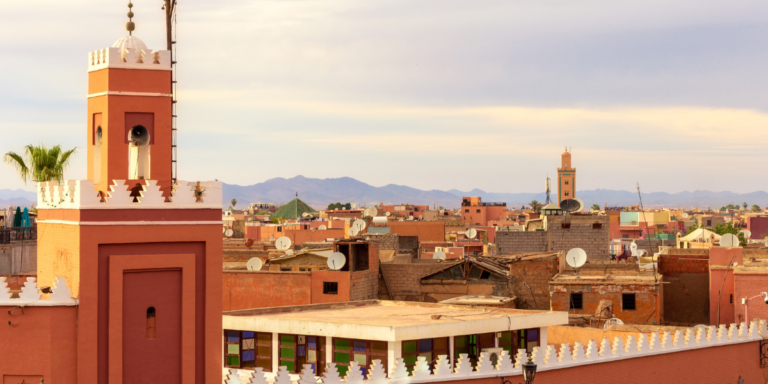
Marrakech is often the easiest introduction to Morocco. The medina, Jemaa el-Fnaa, Bahia Palace, Saadian Tombs, and Majorelle Garden give you plenty to explore, while rooftop cafés and traditional riads offer welcome pauses from the busy streets.
Stay for at least two nights if you can. Give yourself time to wander the souks without an agenda, compare handmade goods, and get comfortable with the medina’s maze-like layout. A riad inside or close to the medina provides atmosphere, although you should confirm the walking directions before arriving with heavy luggage.
Fes: craftsmanship and history
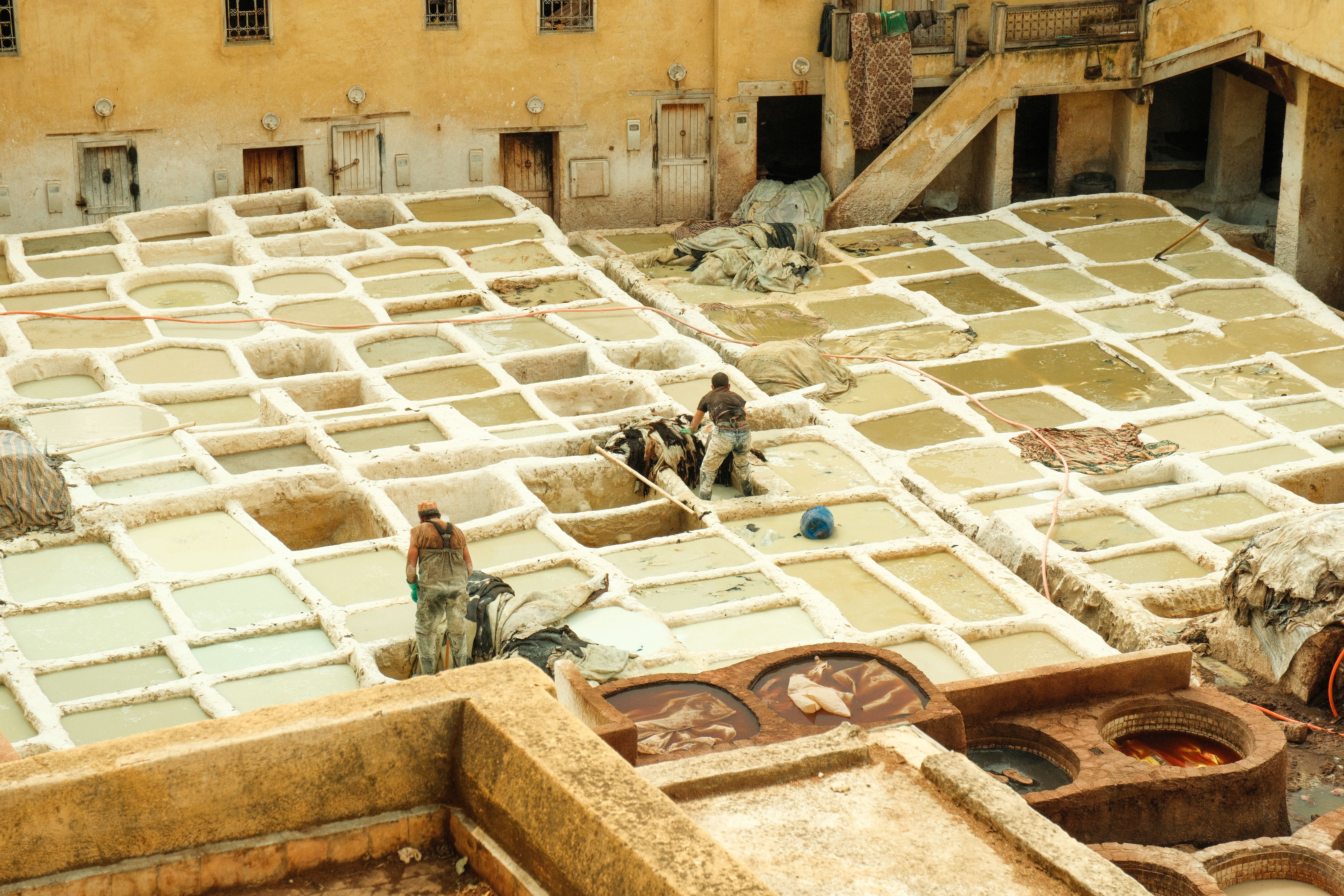
Fes is the place to slow down and pay attention to details. Fes el Bali is a large, car-free medina filled with workshops, markets, historic buildings, and residential lanes. A local guide can add context and make your first visit easier, particularly if you want to understand the city’s traditional crafts rather than simply pass through its busiest sights.
Allow time for Bou Inania Madrasa, Bab Boujeloud, artisan workshops, and viewpoints over the old city. Fes rewards curiosity, but it can feel overwhelming if you try to cover everything in a single afternoon.
Chefchaouen: a quieter mountain stop
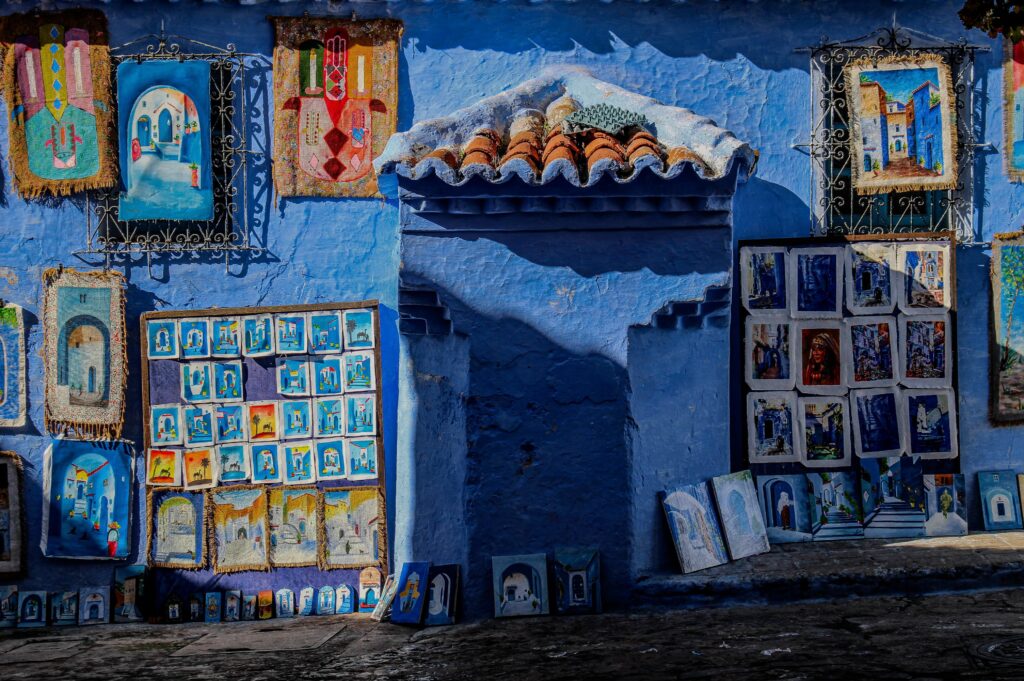
Chefchaouen is known for its blue-painted streets and Rif Mountain setting. It works well for travelers who want a smaller, slower destination after the intensity of Marrakech or Fes. Explore respectfully, remember that people live in the photogenic lanes, and consider a walk above town if you want a different perspective.
Essaouira: Atlantic air and an easier pace
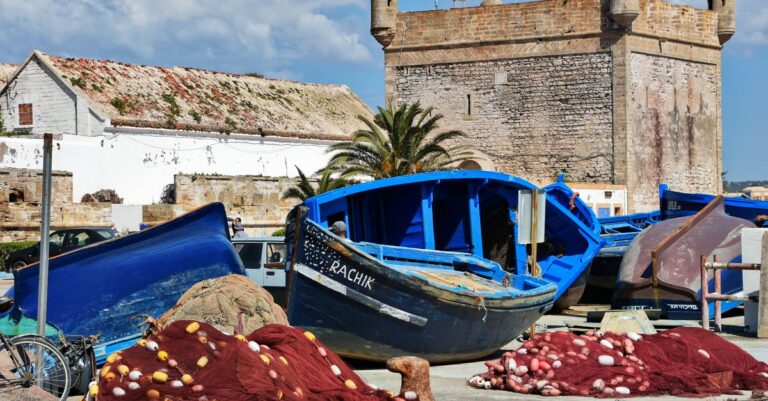
Essaouira is a natural addition when you want a break from busy medinas. Its sea walls, whitewashed buildings, seafood, cafés, and independent shops create a more relaxed atmosphere. It’s also a good choice for solo travelers who want opportunities to meet people without the constant movement of a long circuit.
The Sahara: a completely different landscape
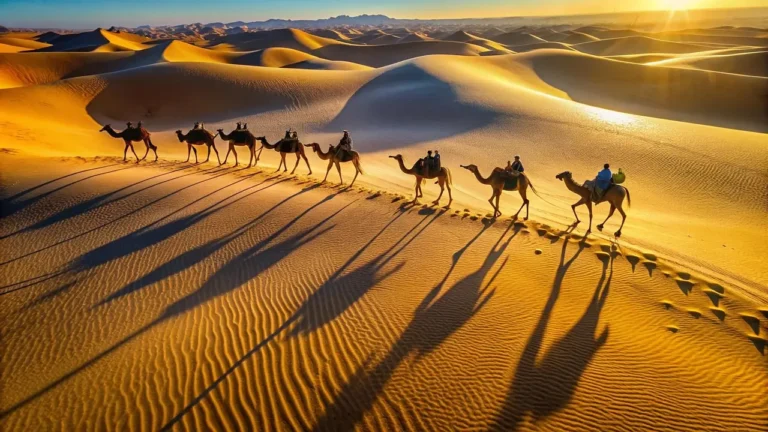
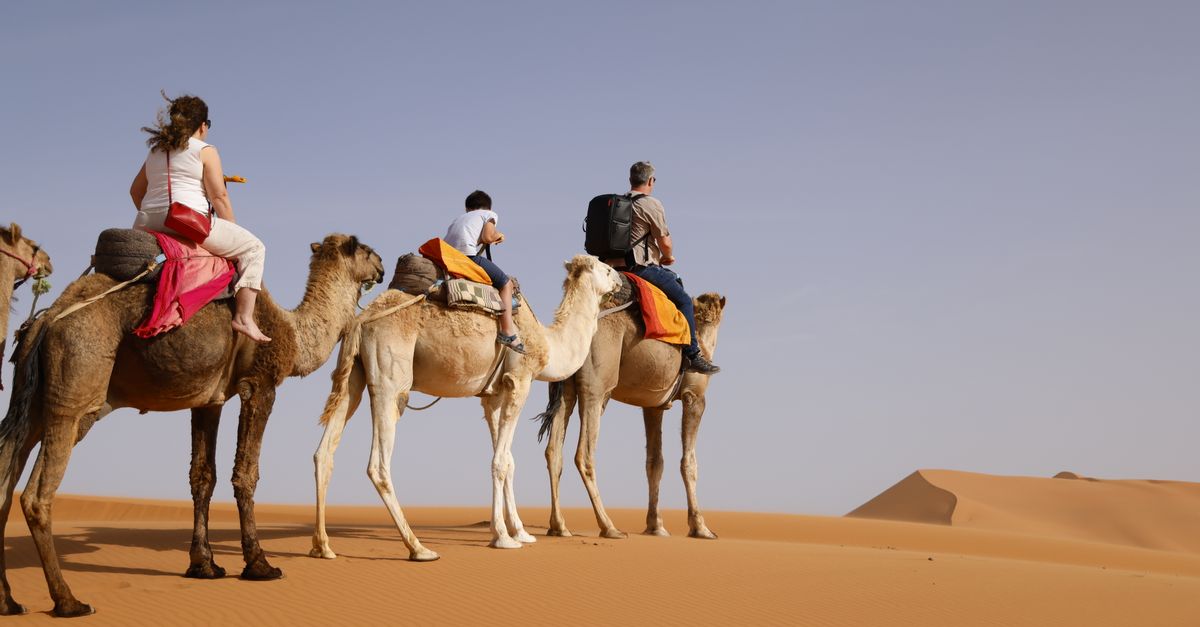
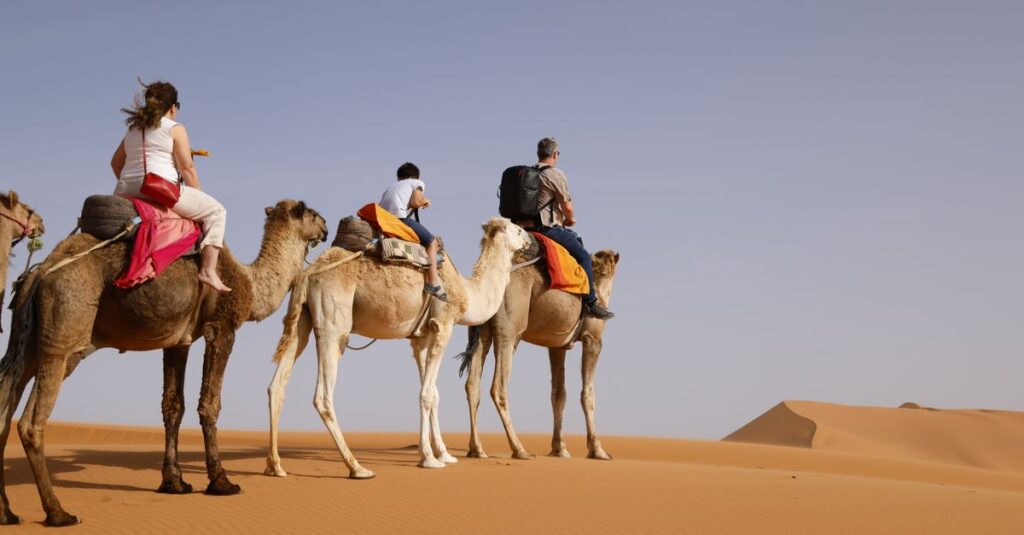
An overnight desert trip near Merzouga or Zagora changes the texture of a Morocco Vacation entirely. Expect a long road journey, large temperature swings, and an early start if you want to see sunrise from the dunes. Ask operators what is included before booking: transport, meals, camp facilities, camel or four-wheel-drive transfers, and the type of accommodation can vary widely.
If you’re interested in going beyond the standard route, consider Tafraoute and the Ameln Valley. The Anti-Atlas region brings pink granite scenery, Amazigh villages, and a more independent-travel feel. Nature lovers can also look into Morocco’s waterfalls beyond Ouzoud, provided they’re prepared for more complicated regional transport.
How Many Days Do You Need?
You need at least seven days for a concentrated first trip, while ten to fourteen days allows you to travel at a more comfortable pace. With four or five days, choose one base and a couple of nearby excursions rather than attempting a full country-wide loop.
- Four to five days: base yourself in Marrakech and add Essaouira, the Atlas Mountains, or a nearby desert experience.
- Seven days: combine Marrakech, the High Atlas, Ait Ben Haddou, the Sahara, and Fes, accepting several long driving days.
- Ten days: add more time in a major city or include Essaouira or Chefchaouen without rushing.
- Two weeks: consider combining the imperial cities, desert, mountains, and Atlantic coast.
Try not to measure a trip by the number of pins on a map. Two meaningful nights in a place are usually better than one rushed night followed by another transfer.
When to Take a Morocco Vacation
Spring, from March to May, and autumn, from September to November, are generally the easiest seasons for combining cities, mountains, and desert areas. These seasons can offer comfortable conditions for walking and road travel, but exact weather varies by region and altitude.
Summer, from June to August, can be very hot inland, especially in Marrakech and the Sahara. The Atlantic coast is often a more comfortable choice if summer is your only travel window. Winter, from December to February, can be mild in the south but cold at night in Fes, Chefchaouen, and mountain areas. Snow can affect high mountain roads.
Ramadan changes dates each year, so check the calendar for your travel year before booking. Travel during Ramadan is possible, but daytime eating patterns and business hours may differ. Dress modestly, avoid eating openly in crowded public places during daylight, and be patient when schedules change.
Getting Around Morocco
Use trains for major city connections and buses, taxis, or organized transfers for places outside the rail network. ONCF is the official place to check Morocco’s national railway routes and booking information: plan Moroccan train travel with ONCF.
For a desert loop, a private driver or small-group tour is often the simplest option. A private driver gives you more control over stops, while a group tour can be sociable and helpful for solo travelers trying to control costs. Confirm the vehicle, accommodation, meals, guide arrangements, and transfers before paying.
Self-driving offers independence, but it requires confidence on unfamiliar roads, in mountain areas, and around busy city approaches. In medinas, vehicles often cannot reach riads, so ask your accommodation for a meeting point and clear walking directions.
For shorter trips, grand taxis and buses can be useful, although services in rural areas may be less frequent. Keep some flexibility in your schedule and don’t plan a tight connection after a long overland journey.
Where to Stay and What to Eat
Riads are traditional homes built around interior courtyards, and they can make a stay in Marrakech or Fes feel closely connected to local architecture. Choose location as carefully as style: a beautiful riad deep inside a medina can be inconvenient if you’re carrying a large suitcase or arriving after dark.
In the mountains, family-run guesthouses are often practical bases for walks and village visits. Desert accommodation ranges from simple shared tents to private camps, so ask about bathrooms, bedding, heating or cooling, meals, and vehicle access.
Food deserves a central place in your itinerary. Try tagine, couscous, pastilla, harira, grilled meats, fresh salads, olives, bread, and mint tea. You can get a useful introduction to the dishes before leaving with guides to Moroccan tagine, couscous, pastilla, and harira soup.
At street-food stalls, choose busy vendors with high turnover and watch how food is handled. Bottled or filtered water is a practical choice for many visitors, particularly during the first days of a trip.
Budgeting for Your Morocco Vacation
Morocco can suit different budgets, but accommodation, intercity transport, and desert excursions usually shape the total. Dormitories, simple guesthouses, local restaurants, and public transport help keep spending under control. Private drivers, boutique riads, and premium desert camps can raise the daily cost quickly.
Use Moroccan dirhams for small purchases, taxis, markets, rural stops, and many family-run businesses. Cards are more useful in established hotels, modern restaurants, and larger shops, but they shouldn’t be your only payment method. Carry smaller notes for cafés, tips, and short taxi rides.
In souks, bargaining is common for many goods and services. Ask the price before accepting a service, decide what you’re genuinely willing to pay, and walk away politely if it doesn’t suit you. A calm, good-humored approach makes these interactions far more enjoyable.
Practical Tips for a Smoother Trip
Pack light. A Morocco Vacation may involve narrow medina lanes, trains, taxis, desert transfers, and several accommodation changes. Comfortable closed-toe shoes, layers, sun protection, a warm jacket, a reusable bottle, a power bank, and modest clothing are useful across most routes. Desert nights can be cold even after a hot day.
Dress with local context in mind. Clothing covering shoulders and knees is a practical choice outside resort areas and helps when visiting traditional or religious spaces. Ask before photographing people, market workers, or private homes.
Solo travel doesn’t have to mean isolation. Stay in a sociable hostel or riad, join a food walk, take a cooking class, or book a small-group excursion. You can also keep quiet time for yourself; a shared breakfast or brief conversation with a guide can be enough to make a day feel connected.
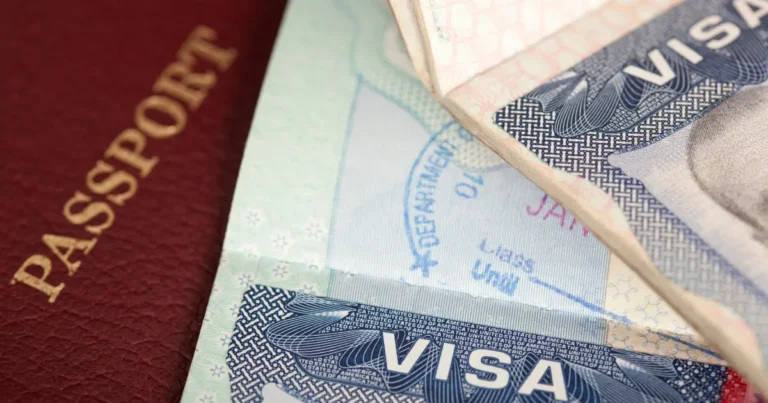
For passport-specific entry requirements, check official sources before booking. Some travelers enter visa-free, while others may need advance authorization. If it applies to you, use this Morocco tourist e-Visa guide as a starting point, then confirm the current requirements through the official application channel.
For a broader introduction before you finalize your plans, read this Morocco travel guide for first-time visitors. It can help you compare destinations, transport styles, food, and practical considerations in one place.
What to Do Next
Choose your arrival city, select two or three priorities, and build a route that matches your energy rather than someone else’s checklist. Reserve accommodation with clear directions, research your desert operator, and leave space for slow mornings and unexpected detours.
Before you fly, download offline maps, save copies of important documents, carry a small cash reserve, and learn a few greetings or thank-you phrases. Then pack lightly and start with curiosity. The most rewarding parts of a Morocco Vacation often happen between the headline attractions: a bakery opening in the morning, a quiet courtyard, a roadside tea stop, or a conversation that lasts longer than planned.
Frequently Asked Questions About a Morocco Vacation
Is Morocco suitable for first-time independent travelers?
Yes, especially when you begin with a realistic route and arrange reliable transport for longer or more complicated journeys. Trains, riads, guided walks, and small-group excursions can make a first visit easier without removing your independence.
Can I visit the Sahara in one week?
Yes, but a Marrakech-to-Sahara-to-Fes route includes long driving days. If you prefer a slower trip, focus on Marrakech and a nearby desert experience or extend your stay beyond seven days.
What should I wear in Morocco?
Light layers and modest clothing work well for most destinations. Bring a warmer layer for winter evenings, mountain roads, and desert nights, plus comfortable shoes for uneven medina streets.
Do I need to speak Arabic or French?
No, but simple greetings, thank-yous, and numbers are useful and often appreciated. French can help in many travel situations, while Moroccan Arabic and Amazigh languages are part of the country’s diverse linguistic landscape.
Should I book a guide in the medinas?
A trusted local guide can add context and make your first visit easier, particularly in Fes el Bali. Confirm the price, duration, and itinerary in advance, and use a recommendation from your accommodation or a recognized provider.