Essaouira Morocco Travel Guide: Things to Do & Tips
Essaouira Morocco is the kind of coastal town that makes it easy to slow down. Whitewashed buildings, blue doors, salty Atlantic air, seafood stalls, and a compact medina create a very different rhythm from the busy streets of Marrakech or Fes. For independent travelers, it offers culture and character without requiring a tightly packed itinerary.
I’d choose Essaouira when I want a few days of wandering, good food, ocean views, and natural opportunities to meet other travelers. You can explore the old town on foot, spend time around the working port, learn about local crafts, or simply sit somewhere sheltered from the wind and watch the town move around you. This guide covers the best things to do, how to plan your stay, where to base yourself, what to eat, and the practical details that make a coastal visit easier.
Why Visit Essaouira Morocco?
Visit Essaouira Morocco for its relaxed Atlantic atmosphere, historic medina, working harbor, creative spirit, and easy walking pace. The town feels lively without being as overwhelming as some of Morocco’s larger visitor hubs.
Essaouira is also a useful change of scenery during a longer trip. After the intensity of Marrakech, the coast gives you room to breathe. After several long road journeys, the town rewards staying put. Its compact center makes independent exploration straightforward, while cafés, guesthouses, surf schools, and shared excursions can help solo travelers find company naturally.
It isn’t necessary to treat Essaouira as a quick day trip. A short visit can cover the main sights, but an overnight stay gives you time to experience the town at different times of day. The medina feels different in the morning, the port becomes more active around the fishing trade, and the waterfront is at its most enjoyable when you are not hurrying toward the next transfer.
If you’re planning a wider route, my Morocco vacation guide can help you compare the Atlantic coast with the country’s cities, mountains, and desert regions. Essaouira works particularly well when you want to add a slower coastal section rather than another demanding overland journey.
Best Things to Do in Essaouira Morocco
The best things to do in Essaouira Morocco combine medina walks, port life, local food, coastal scenery, and time with no fixed agenda.
Wander through the medina
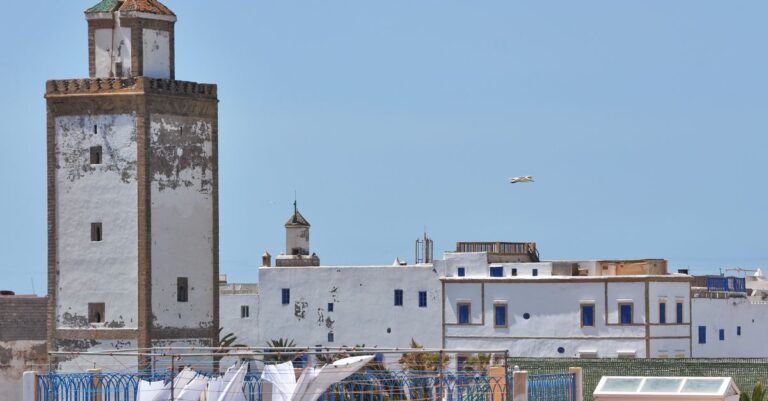
Start in the medina, where narrow lanes open onto small squares, workshops, food stalls, galleries, and everyday neighborhood life. The layout is easier to get comfortable with than the larger medinas in Marrakech or Fes, but I’d still avoid navigating with your eyes permanently fixed on a map. Look up at the carved doors, painted signs, blue details, and worn walls instead.
Essaouira’s medina is a place to browse rather than rush. You’ll find woodwork, textiles, ceramics, jewelry, art, clothing, and small household goods. Ask the price before committing to a purchase, compare similar items, and bargain politely when it is appropriate. A friendly conversation is often more worthwhile than trying to reduce every price to the absolute minimum.
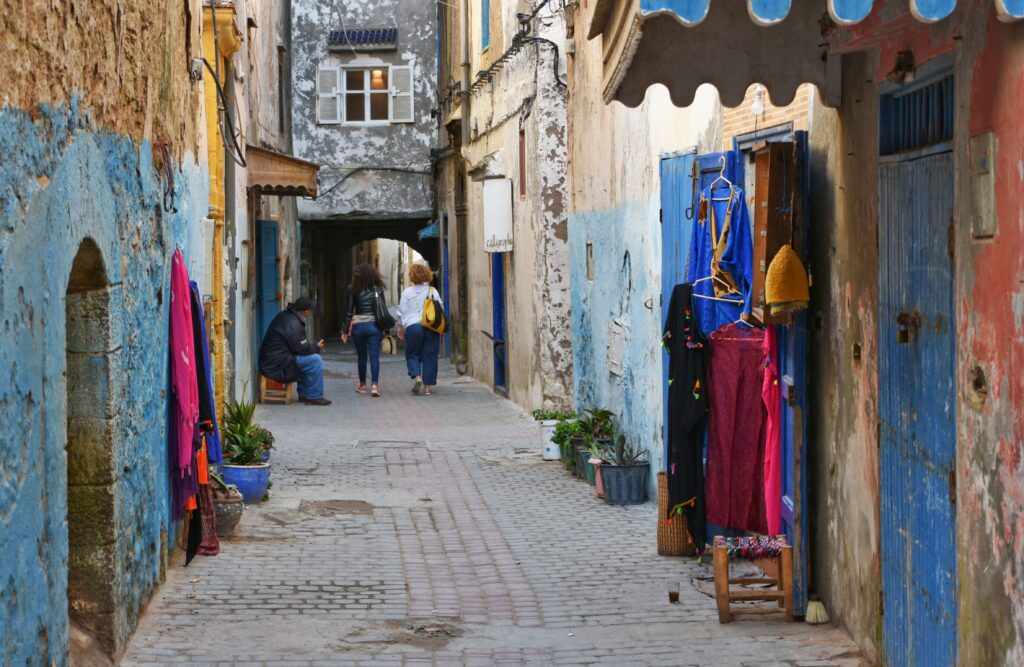
Remember that the medina is a lived-in neighborhood. Ask before photographing people, avoid blocking doorways, and don’t treat private homes or working shops as scenery. Traveling slowly and respectfully changes the experience for everyone.
Explore the Skala and sea walls
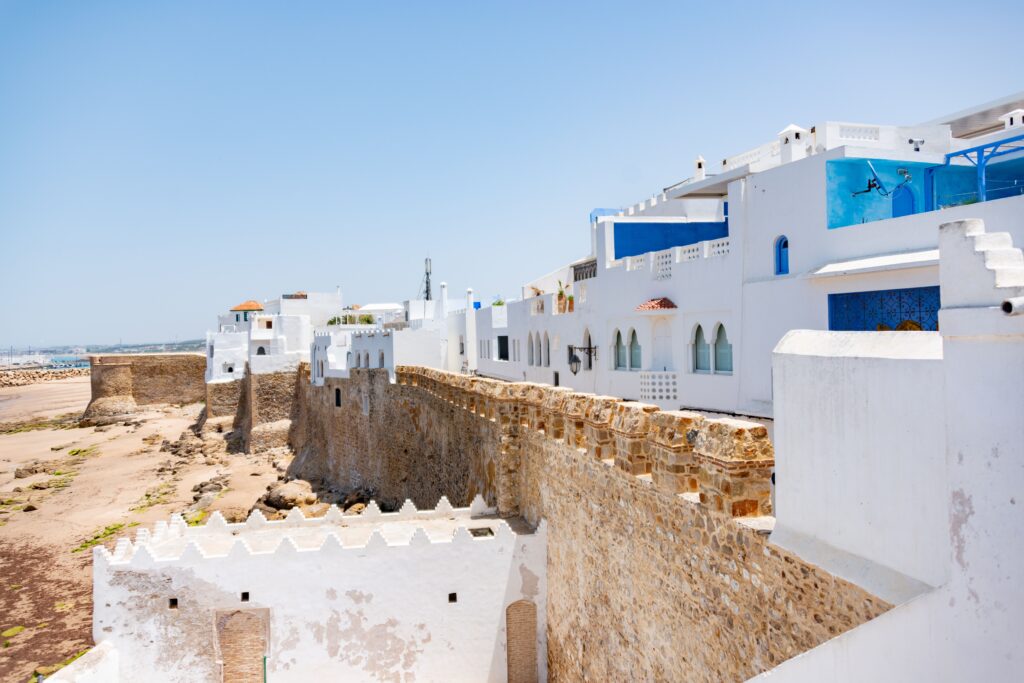
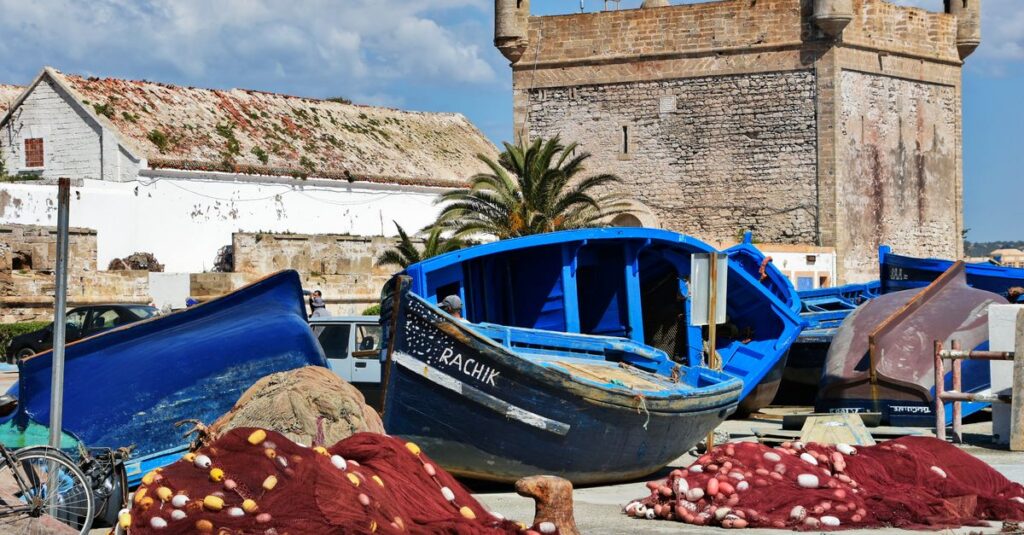
The sea-facing fortifications are among Essaouira’s most recognizable places to walk. From the walls, you can look toward the Atlantic, watch waves break against the rocks, and see the town’s white buildings gathered behind the ramparts. The wind can be strong, so carry a light layer even when the rest of the day feels warm.
This is one of those places where timing matters more than speed. Come early for a quieter walk, return later for changing light, or simply pause instead of trying to collect photographs and move on. The sea walls are part of the town’s historic character, but the Atlantic is also a reminder that Essaouira is a working coastal community rather than a decorative backdrop.
Spend time at the fishing port
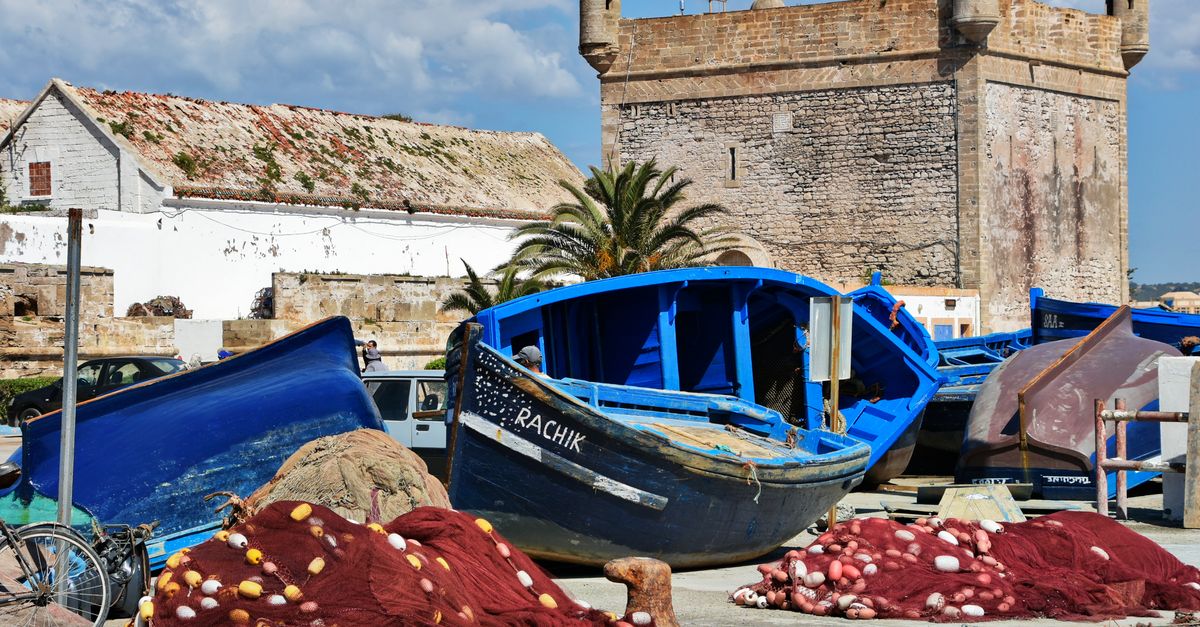
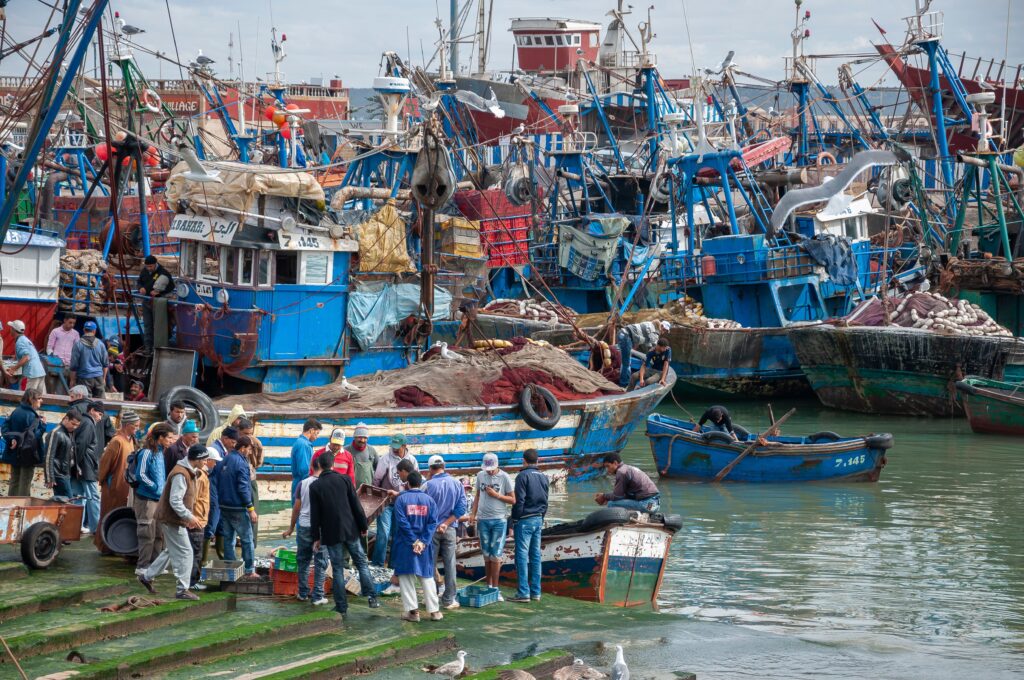
The port gives you a closer look at Essaouira’s connection with the sea. Fishing boats, nets, crates, workers, and gulls create a busy scene that feels more immediate than a formal attraction. Walk carefully, stay aware of working areas, and ask before photographing people who are loading, repairing, or selling.
Nearby seafood stalls can be tempting, particularly if you enjoy choosing from the day’s available catch. Look at how food is handled, confirm the price and what is included before ordering, and choose a place with clear turnover. If you have allergies or dietary restrictions, explain them carefully before your meal is prepared.
Walk along the beach
Essaouira’s beach offers a broad stretch of sand and a different perspective on the town. You can take a long walk, sit and watch the water, or use the coast as a quiet break from the medina. Wind is part of the atmosphere here, so the beach may feel more suited to walking and water sports than to lying still for an entire afternoon.
Keep expectations flexible. Atlantic conditions change, and a beach day can be bright, breezy, cloudy, or surprisingly cool. Comfortable shoes, sun protection, and a light jacket are more useful than assuming you’ll spend the whole day in swimwear.
Try surfing, kitesurfing, or a coastal activity
Essaouira is associated with wind and water sports, making it a natural place to try a lesson or join an organized activity. Beginners should choose a reputable school, ask what equipment and instruction are included, and be honest about their experience and comfort in the water.
For solo travelers, a lesson can be an easy way to meet people without having to arrange a social plan from scratch. You’ll also get more from the activity if you treat it as a learning experience rather than expecting to master a new sport in one session. Check the current conditions with the school before booking, since wind and surf affect what is practical.
How Many Days Do You Need in Essaouira?
You need at least one full day to see Essaouira’s main areas, while two or three nights allow you to enjoy the town without turning every hour into sightseeing.
- A few hours: focus on the medina, sea walls, port, and one meal, but expect the visit to feel brief.
- One night: explore the old town, watch the coast, eat seafood or another local dish, and enjoy an evening walk.
- Two nights: add a slower beach morning, a craft-focused wander, a cooking or surf activity, or extra time in cafés.
- Three nights or more: use Essaouira as a base for a relaxed coastal break rather than adding activities simply to fill the schedule.
For many travelers, two nights is a comfortable balance. You can see the main sights while leaving room for weather, long meals, and the kind of spontaneous wandering that makes a small coastal town enjoyable. If you’re arriving from Marrakech, avoid treating the transfer and the town visit as one exhausting block. Settle in first, then explore.
Essaouira can also be paired with a longer city itinerary. My Casablanca Morocco travel guide is useful if you’re comparing Atlantic destinations, although Casablanca offers a much larger urban experience. For a classic route that includes Marrakech and the interior, see my Morocco travel guide for planning a visit.
Where to Stay in Essaouira
The best place to stay depends on whether you want historic atmosphere, easy access to restaurants, or more space near the beach. For a first visit, staying in or close to the medina usually makes exploring on foot easiest.
Inside or near the medina
A riad or guesthouse inside the medina puts you close to cafés, shops, the sea walls, and many restaurants. Courtyard accommodation can be atmospheric and sociable, especially for solo travelers, but confirm the arrival instructions before booking. Cars may not reach the door, and cobbled lanes are less convenient with heavy luggage.
Read recent reviews for practical details rather than relying only on photographs. Look for comments about noise, heating, hot water, Wi-Fi, luggage access, and whether staff can help arrange a meeting point. A beautiful room is less useful if you cannot find it after arriving tired or late.
Near the beach
Accommodation near the beach can suit travelers who want more space, sea views, or easy access to water sports. The trade-off is that some medina restaurants, shops, and evening walks may require a longer walk. Choose this area when the coast is central to your plans, not simply because a property advertises a view.
For solo and budget travelers
Hostels and sociable guesthouses can make Essaouira particularly welcoming when you’re traveling alone. Shared breakfasts, group activities, and common areas create low-pressure opportunities to meet people. At the same time, you don’t need to be social every minute. A quiet walk along the water or a meal at a small table is also part of a good solo trip.
What to Eat in Essaouira
Eat seafood, Moroccan staples, fresh bread, salads, olives, and mint tea, while staying open to both traditional cafés and contemporary restaurants. The port is the obvious place to look for seafood, but the best meal is not always the one with the most dramatic view.
Try fish or shellfish when it is clearly fresh and properly handled, and ask about the price before ordering. If you prefer not to choose from a market-style display, look for a busy restaurant with a menu and steady local customers. Vegetarian travelers can usually find vegetable tagines, couscous, salads, lentils, bread, and other meat-free options, but explain your preferences clearly.
Food is also a useful way to understand the wider country. Before traveling, you can explore guides to Moroccan tagine and couscous, then compare familiar dishes with what you find along the coast. Leave room for small discoveries: a pastry from a bakery, a fresh juice, or a simple breakfast that becomes part of your daily routine.
Carry some Moroccan dirhams for small cafés, markets, taxis, and independent businesses. Do not assume every restaurant or stall accepts cards, and keep smaller notes for modest purchases and tips.
Getting to and Around Essaouira
Reach Essaouira by a planned bus, shared or private transfer, rental car, or organized excursion, then explore the central areas mostly on foot. The town is well suited to walking, but the best transport choice for getting there depends on your wider route and how much flexibility you want.
From Marrakech, many travelers arrange a direct coach, private transfer, or day excursion. A day trip can work if your schedule is tight, but an overnight stay gives you more freedom and avoids compressing the town into a few hurried hours. Confirm current departure information with the transport provider before traveling rather than relying on an old timetable.
If you’re driving, plan where you will leave the car before arriving at your accommodation. Medina lanes may be inaccessible to vehicles, and your guesthouse may have a particular parking area or meeting point. If you’re using a driver, agree on the destination, waiting arrangements, and any additional stops before setting off.
For a route that combines the coast with Morocco’s interior, the Atlas Mountains Morocco travel guide offers ideas for adding villages and hiking to your itinerary. I’d avoid trying to combine too many regions in a single day; the point of Essaouira is often to slow the pace down.
Essaouira Travel Tips for a Better Visit
A better Essaouira trip comes down to allowing for wind, respecting the working town, checking practical details, and leaving space for unplanned time.
- Pack a light jacket: the Atlantic wind can make the coast feel cool even when the sun is bright.
- Wear comfortable shoes: medina lanes and waterfront surfaces can be uneven.
- Ask before photographing people: especially at the port, markets, workshops, and beach.
- Confirm prices first: do this for seafood, taxis, guides, lessons, and market services.
- Carry cash: small businesses and informal food stalls may not accept cards.
- Book activities thoughtfully: ask what is included, what equipment is supplied, and how conditions affect the plan.
- Keep valuables close: use ordinary city awareness in busy lanes, markets, and transport areas.
- Respect the shoreline: take your rubbish with you and avoid disturbing working areas or wildlife.
- Learn a few greetings: simple words of thanks can make everyday interactions warmer.
Essaouira is generally easy to enjoy independently, but that does not mean you need to plan every detail alone. Ask your accommodation about current transport, local activities, and places suited to your interests. If you want cultural context, a locally recommended guide or workshop can add depth without turning the entire visit into a formal tour.
Dress with local context in mind, particularly when moving beyond the beach environment. Light, comfortable clothing that covers the shoulders and knees is a practical choice for the medina and nearby communities. You’ll be more comfortable, and you won’t have to think twice when entering a traditional space.
What to Do Next
Start by deciding whether Essaouira is a short coastal stop or a place where you want to settle for a few days. If you have limited time, focus on the medina, sea walls, port, and one relaxed meal. If you have two or three nights, add a beach walk, a water-sports lesson, a market visit, or an afternoon with no plan at all.
Book accommodation with clear arrival instructions, check your transport close to departure, and carry a light layer even in warmer months. Then let the town set the pace. Follow the smell of grilled seafood, pause at a blue doorway, watch the fishing boats return, and leave enough room for the small discoveries that don’t appear in an itinerary.
Essaouira doesn’t need to compete with Morocco’s imperial cities. Its appeal is quieter: the meeting of medina and ocean, the everyday energy of the port, the friendliness of shared spaces, and the freedom to spend an entire afternoon simply walking. That is precisely why it deserves more than a rushed stop.
Frequently Asked Questions About Essaouira Morocco
Is Essaouira Morocco worth visiting?
Yes, especially if you enjoy coastal scenery, seafood, historic streets, independent shops, and a slower travel rhythm. It is a strong contrast to Marrakech and works well for solo travelers and first-time visitors who want a manageable destination.
How long should I stay in Essaouira?
One full day covers the main sights, but two nights gives you a more relaxed experience. Stay longer if you want to take a water-sports lesson, spend more time on the beach, or use the town as a base for a coastal break.
Can I visit Essaouira as a day trip?
Yes, a day trip can introduce you to the medina, port, sea walls, and beach. An overnight stay is better if you want slower meals, evening walks, and time to explore without watching the clock.
What should I wear in Essaouira?
Wear comfortable layers, walking shoes, sun protection, and a light jacket for the wind. Modest clothing is practical in the medina and nearby communities, while the coast may require an extra layer even on a sunny day.
Is Essaouira good for solo travelers?
Yes. The compact center is easy to explore, and hostels, guesthouses, group lessons, cafés, and organized activities create natural opportunities to meet people. You can also enjoy plenty of quiet time without feeling isolated.