Fes Morocco Travel Guide: Things to Do & Tips
Fes Morocco is a city that rewards patience. Its old medina can feel confusing at first, but give yourself time to slow down and you’ll start noticing the details: carved cedar, colorful zellij tilework, open-air workshops, the smell of fresh bread, and quiet courtyards hidden behind unassuming doors. For me, that gradual discovery is the real pleasure of visiting Fes.
This guide is for independent travelers, backpackers, solo explorers, and anyone who wants more than a quick checklist of famous sights. I’ll show you what to do, how to approach the medina, where to stay, what to eat, how to get around, and which practical habits make a visit easier. If you’re building a wider route, my Morocco vacation guide can help you decide how Fes fits alongside Marrakech, the Atlas Mountains, the desert, and the coast.
Why Visit Fes Morocco?
Visit Fes Morocco for its historic medina, traditional craftsmanship, religious architecture, food culture, and slower, more detailed travel experience. Fes feels less immediately polished than some Moroccan destinations, but that is part of its character.
Fes el Bali, the old medina, is a dense world of lanes, workshops, homes, small squares, markets, and historic buildings. Cars cannot use many of its narrow streets, so walking becomes the natural way to explore. You may hear a hammer striking metal from one doorway, catch the scent of spices from another, and turn a corner into a peaceful lane that looks completely different from the street you just left.
The city is also a useful contrast to Marrakech. Marrakech often presents its energy in broad, busy strokes; Fes asks you to pay attention to craft, architecture, and everyday movement. It may feel overwhelming during your first few hours, especially if you arrive tired or without clear directions, but that initial uncertainty usually becomes easier once you understand the main entrances and landmarks.
Fes works well for solo travelers, although I wouldn’t try to prove your independence by refusing all help. A trusted local guide can add historical context and make the first medina walk more comfortable. After that introduction, you can explore at your own pace and return to the places that interested you most.
Best Things to Do in Fes Morocco
The best things to do in Fes Morocco combine medina walks, historic buildings, craft workshops, food stops, viewpoints, and time to observe daily life rather than rushing between attractions.
Explore Fes el Bali
Start with Fes el Bali, the city’s historic medina and the main reason many travelers come here. Instead of trying to map every lane immediately, choose a few recognizable points and let yourself wander between them. Bab Boujloud is a useful meeting point, while the main souk routes lead toward workshops, markets, mosques, madrasas, and residential lanes.
Wear comfortable shoes and keep your belongings close in busy areas. The ground can be uneven, the lanes can become crowded, and donkeys or handcarts may pass through unexpectedly. I find that the best approach is to walk on the edge of the flow, pause beside a wall when you need to check your map, and avoid stopping in the middle of a narrow passage.
Remember that the medina is a living neighborhood. People work, shop, study, worship, and go home here. Ask before photographing residents, avoid entering private spaces, and don’t block doorways while taking pictures. Respectful curiosity will take you much further than treating the old city as a backdrop.
Visit Bou Inania Madrasa
Bou Inania Madrasa is one of the medina’s most rewarding architectural stops. Look closely at the carved plaster, woodwork, tile patterns, and proportions rather than rushing through for one photograph. The building offers a useful introduction to the level of detail found throughout Fes.
Dress respectfully when visiting religious or historic spaces, and check current access arrangements locally because opening information and visitor rules can change. If the building is busy, step aside and give other visitors room. The details are easier to appreciate when you’re not competing with a crowd at every doorway.
See the tanneries and learn about traditional crafts
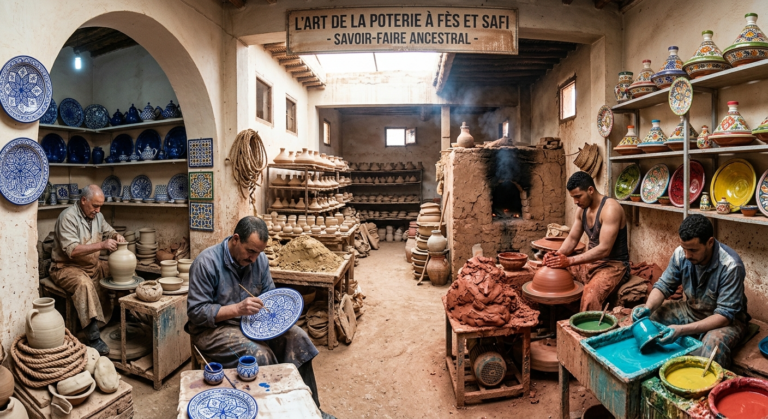
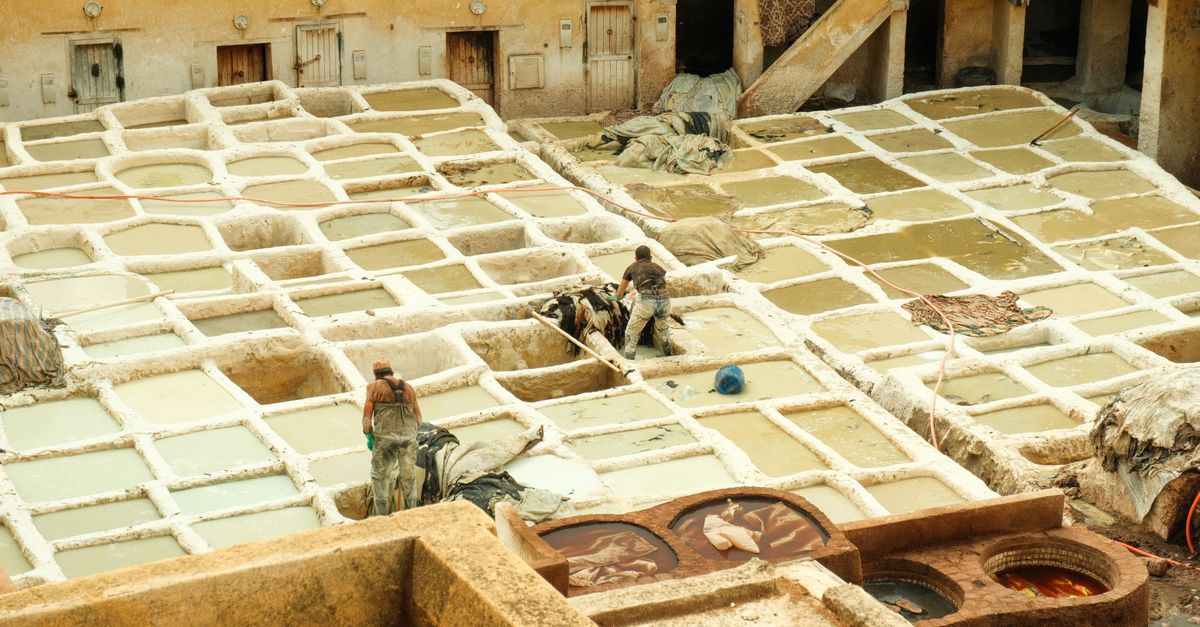
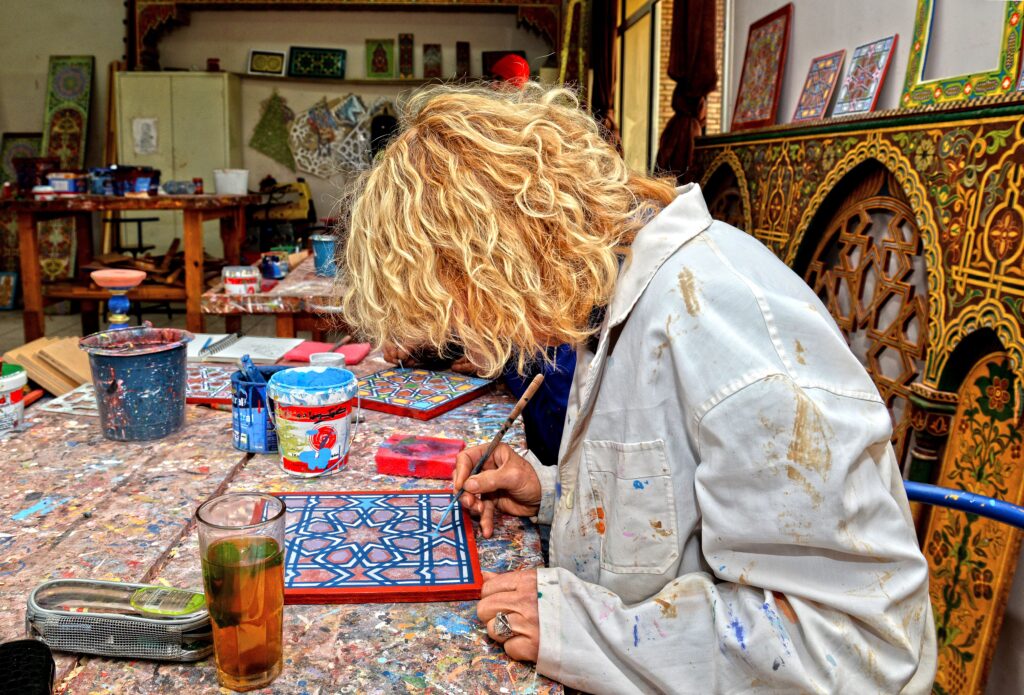
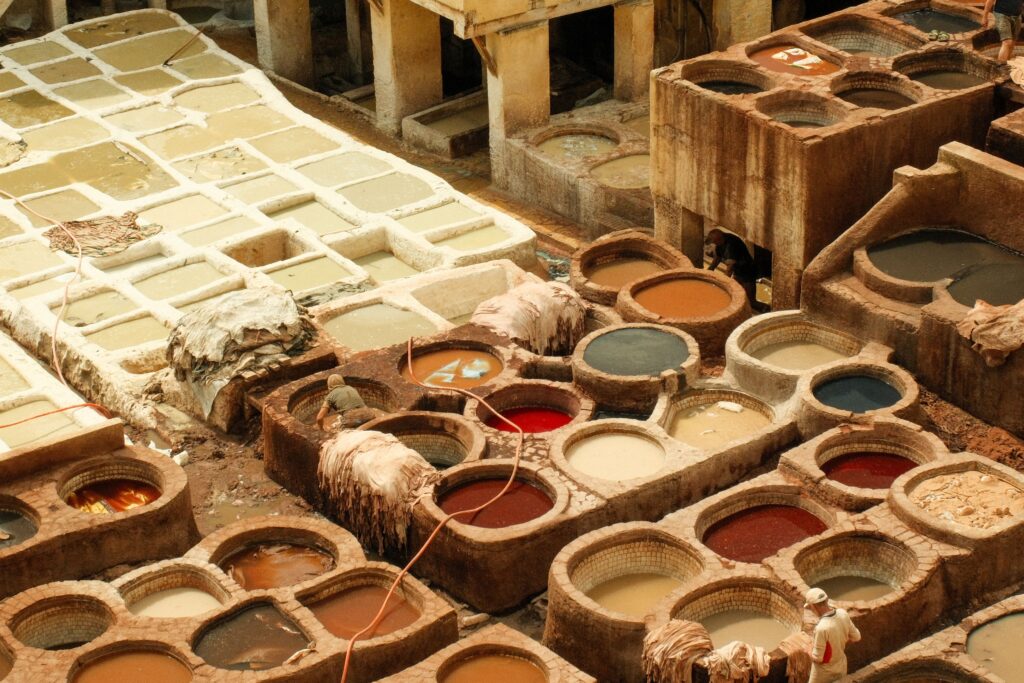
Fes is strongly associated with leatherwork, metalwork, ceramics, wood carving, textiles, and other traditional crafts. The tanneries are among the city’s best-known sights, but they are only one part of a much wider craft culture.
Craft workshops are working businesses, not staged exhibitions. Ask whether photography is welcome, listen if an artisan explains the process, and understand what you’re being invited to see before accepting a shop visit. If you’re interested in buying something, compare quality and prices in more than one place. Ask about materials, production methods, and care rather than choosing only by appearance.
Shopping can be enjoyable when you treat it as a conversation and learning experience. Bargain politely where it is customary, but don’t begin a long negotiation unless you’re genuinely considering the purchase. A fair transaction is better than trying to reduce every price to the lowest possible amount.
Look for the city’s tilework and architecture
Fes rewards travelers who look up and slow down. Notice carved doors, painted signs, tile mosaics, geometric patterns, fountains, and the transition between grand entrances and modest residential streets. Some of the most interesting details are not inside a major attraction but around an ordinary passageway or workshop.
A guide can help you understand the difference between architectural styles and explain how craft traditions connect with the city’s history. You don’t need a guide for every day, though. Once you have some context, a quiet self-guided walk can be just as satisfying.
Visit a viewpoint over the medina
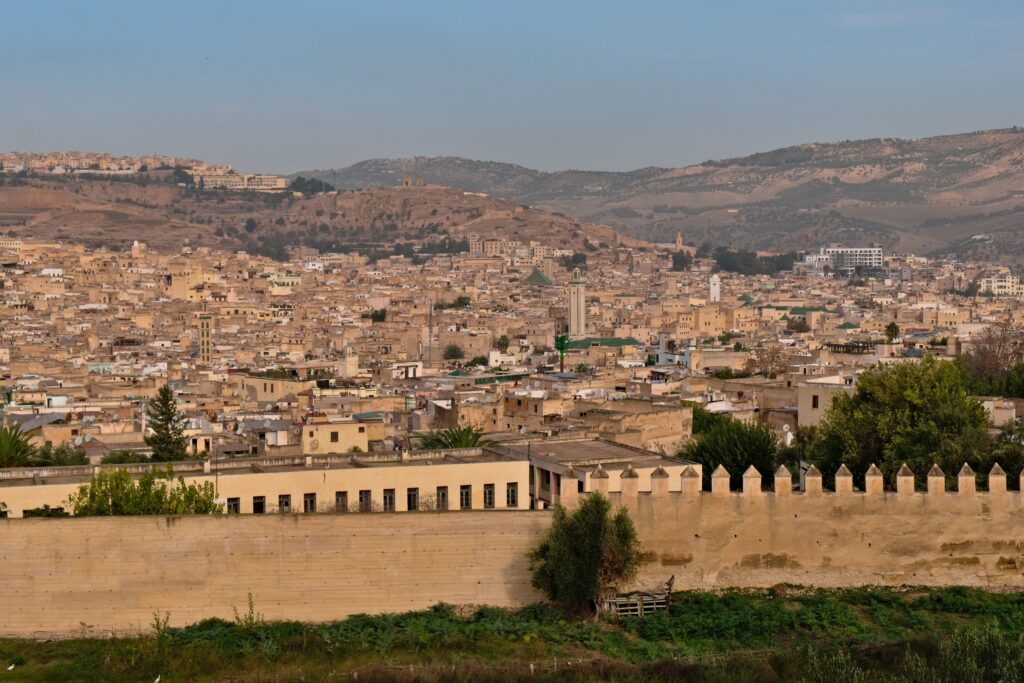
A viewpoint gives you a chance to understand Fes as a whole after spending time inside its dense lanes. From above, the rooftops, minarets, surrounding hills, and layered urban landscape make more sense. It is also a good place to pause when the medina starts to feel intense.
Plan this stop around daylight and check locally how to reach it. Avoid assuming that a map pin tells you everything about the final walk, especially if you’re returning after dark. Go with enough time to enjoy the view rather than squeezing it between two fixed appointments.
How Many Days Do You Need in Fes?
You need at least two full days to explore Fes properly, while three nights gives you a better balance between sightseeing, food, shopping, and slower wandering.
- One day: focus on Bab Boujloud, the main medina routes, one historic building, a craft area, and a meal.
- Two days: add more time for workshops, architecture, a viewpoint, cafés, and an unhurried medina walk.
- Three nights or more: explore at a gentler pace and consider a nearby excursion only if it genuinely interests you.
I would avoid treating Fes as a rushed stop between Marrakech and another destination. The city takes time to reveal itself, and you’ll enjoy it more when you can return to your accommodation for a break before going out again. If this is your first visit to Morocco, a route that includes Fes, Marrakech, and the desert can be rewarding, but leave space for recovery after long road days.
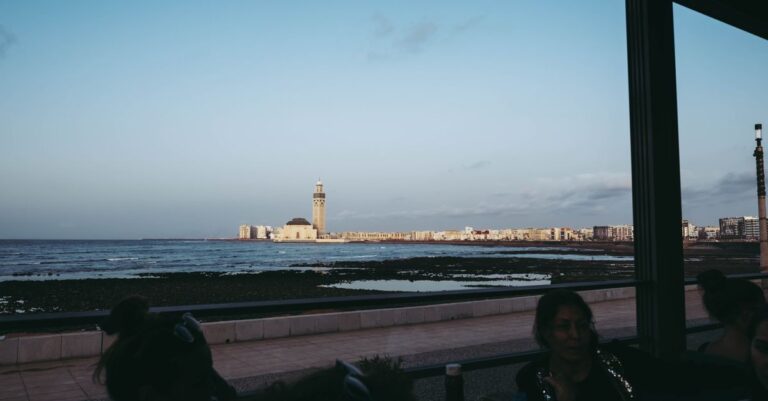
Travelers coming from the Atlantic side can also compare Fes with the more modern atmosphere of Casablanca. The two cities feel very different, and that contrast can make a wider itinerary more interesting.
Where to Stay in Fes
The best place to stay in Fes depends on whether you want medina atmosphere, easy vehicle access, a quieter neighborhood, or a sociable base for meeting other travelers.
Inside or near the medina
A riad inside or close to Fes el Bali puts you near many major sights, restaurants, shops, and workshops. Courtyard houses can be beautiful and atmospheric, but confirm the practical details before booking. Cars may not reach the door, and walking with heavy luggage through unfamiliar lanes can be tiring.
Ask your accommodation for a precise meeting point and arrival instructions. Save them offline before you arrive, and confirm whether someone can meet you if your transfer drops you at the edge of the medina. Recent reviews are particularly useful for checking noise, hot water, heating, Wi-Fi, breakfast, and luggage access.
In the Ville Nouvelle
The Ville Nouvelle can suit travelers who prefer wider streets, straightforward vehicle access, modern cafés, and a less enclosed atmosphere. It is less atmospheric than staying inside the old city, but it may be more convenient if you have heavy luggage, an early departure, or a preference for contemporary hotels.
Choose the area according to your daily plans. If your main interest is the medina, staying nearby saves time. If you want a quieter base and don’t mind arranging transport, the newer parts of the city may work better.
For solo and budget travelers
Hostels and sociable riads can make Fes easier for solo visitors. Shared breakfasts, common rooms, walking tours, and group cooking activities create natural ways to meet people. You can enjoy that social side without turning the entire trip into a group itinerary; sometimes a short conversation over breakfast is enough.
What to Eat in Fes
Eat slowly in Fes and make room for Moroccan classics, bakery stops, fresh salads, soups, grilled foods, pastries, and mint tea. The city is a strong destination for travelers who enjoy food as part of cultural discovery.
Look for tagine, couscous, harira, pastilla, brochettes, olives, seasonal vegetables, bread, and sweets. Before you travel, you can get familiar with Moroccan tagine, couscous, pastilla, and harira soup, then compare those dishes with what you find locally.
For casual meals, choose busy places with regular customers and clear food turnover. If you eat from a market-style stall, watch how food is handled and ask the price before ordering. Travelers with allergies or dietary restrictions should explain them carefully and keep important phrases translated.
Food is also an easy way to meet people. Join a cooking class, ask your accommodation for a local restaurant recommendation, or sit at a café long enough to notice the daily rhythm. I prefer those small food experiences to trying to reserve an elaborate meal every night.
Getting Around Fes and Planning Transport
Explore the central medina on foot, use taxis or arranged transfers for longer city connections, and check current railway information when traveling onward to other major cities.
The old medina is not a place to navigate by car. Arrange your accommodation’s meeting point before arrival and allow extra time when carrying luggage. A taxi can take you near an entrance, but you may still need to walk through lanes to reach your riad.
For intercity travel, check current routes, fares, and departure information with ONCF, Morocco’s national railway. Don’t plan a very tight connection after an international arrival, a long road journey, or a medina departure with luggage. A little spare time is worth more than saving a few minutes on paper.
If Fes is part of a longer desert itinerary, compare trains, buses, private drivers, and small-group tours. A private driver gives you more control over stops, while a group tour can be practical and sociable for solo travelers. Confirm exactly what transport, accommodation, meals, and guiding are included before paying.
Fes Travel Tips for a Smoother Visit
A smoother Fes trip comes down to arriving prepared, moving patiently, and treating the medina as a living neighborhood rather than an attraction designed only for tourists.
- Wear comfortable shoes: you’ll spend a lot of time walking on uneven surfaces.
- Carry cash: smaller cafés, workshops, taxis, and market businesses may not accept cards.
- Save your accommodation details offline: this helps when phone reception or data is unreliable.
- Ask before photographing people: particularly in workshops, markets, and residential lanes.
- Confirm prices first: do this for taxis, guides, workshops, food, and market services.
- Use a light layer: evenings and enclosed lanes can feel cooler than sunny open spaces.
- Dress with local context in mind: modest, comfortable clothing works well beyond resort settings.
- Take breaks: return to your accommodation or stop at a café when the medina becomes tiring.
- Keep your route flexible: a lane closure, busy market, or unexpected invitation can change your plan.
Be cautious with unsolicited offers of guiding or directions. If you want a guide, arrange one through your accommodation or a recognized provider, and agree on the price, duration, and itinerary before beginning. A good guide should explain the city, not pressure you into shops or purchases.
Solo travel here can be rewarding, but independence should include sensible preparation. Share your general plans with your accommodation, keep valuables secure, and choose well-reviewed activities. You can also use group tours, cooking classes, or hostel common areas to meet people without giving up time alone.
Day Trips and Places to Add to Your Route
Fes works best as part of a northern or central Morocco itinerary, with day trips chosen according to your interests rather than added simply to fill an extra day.
Meknes and nearby historic sites can appeal to travelers who want more architecture and imperial history, while the Middle Atlas offers a change of scenery and a chance to spend more time outdoors. Check current transport and access conditions before committing to a day trip, especially if your return connection is important.
For a broader route, consider combining Fes with Marrakech, the High Atlas, and the Sahara, but remember that this involves long travel days. My Atlas Mountains Morocco travel guide can help if you want to add village walks and mountain scenery rather than moving directly between cities.
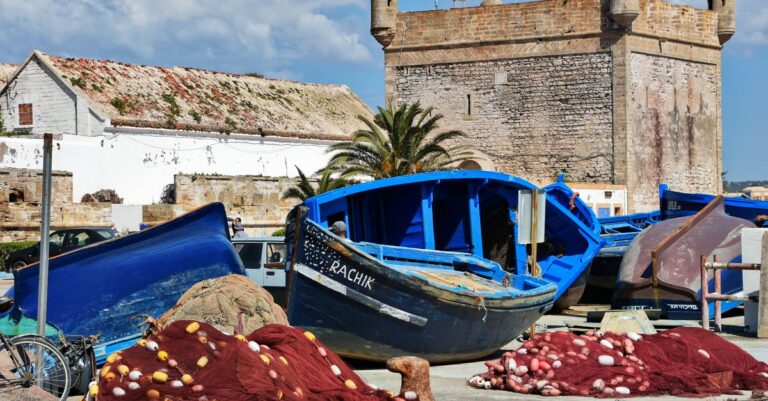
If you need a slower coastal break after Fes, Essaouira offers a very different rhythm, with Atlantic air, a compact medina, seafood, and a more relaxed waterfront atmosphere. It isn’t the closest add-on, so check the route before booking and avoid turning every day into a transfer.
What to Do Next
Begin by deciding how much time you can give Fes without rushing. Reserve accommodation with clear arrival instructions, choose whether you want a guide for your first medina walk, and identify two or three priorities rather than trying to see everything.
Pack comfortable shoes, modest layers, a small day bag, and some Moroccan dirhams. Save your accommodation details and transport information offline, then leave space for wandering. A bakery, a workshop, a quiet courtyard, or an unplanned tea stop may become more memorable than the attraction you carefully scheduled.
Fes is not a city to consume quickly. Let yourself get a little lost—but not so lost that you ignore practical sense—and pay attention to the hands, sounds, smells, and small gestures that keep the old city moving. That is where the character of Fes begins to make sense.
Frequently Asked Questions About Fes Morocco
Is Fes Morocco worth visiting?
Yes, particularly if you enjoy historic medinas, traditional crafts, architecture, local food, and detailed cultural experiences. Fes can feel intense at first, but its depth rewards travelers who allow enough time.
How long should I stay in Fes?
Two full days is a good starting point, while three nights allows you to explore at a calmer pace. Add more time if you want a cooking class, guided craft visits, or a day trip.
Do I need a guide in Fes?
You can explore independently, but a trusted local guide is useful for your first medina walk and for understanding the history and crafts. Agree on the price, duration, and itinerary before starting.
What should I wear in Fes?
Choose comfortable, modest clothing and shoes suitable for uneven streets. Light layers work well because conditions can differ between sunny open areas, shaded lanes, and evenings.
Is Fes good for solo travelers?
Yes. Sociable riads, hostels, cooking classes, guided walks, and cafés make it possible to meet other travelers, while the city also offers plenty of opportunities for independent exploration and quiet time.